
Common Mistakes to Avoid When Buying Bathroom Fixtures
A bathroom remodel is one of the most rewarding investments you can make in your Atlanta home-until the wrong fixtures turn excitement into regret. Homeowners regularly discover that the faucets, shower systems, or toilets they chose in a rush don't fit their plumbing, don't feel right in daily use, or clash with everything else in the room. Understanding the common mistakes to avoid when buying bathroom fixtures saves you time, money, and the frustration of living with choices that don't serve your life.
This blog walks through the purchasing pitfalls that trip up even experienced homeowners-from ignoring your existing bathroom layout and plumbing to skipping finish coordination and maintenance planning. Whether you're selecting faucets, toilets, lighting, or hardware, each section offers practical tips drawn from years of helping Atlanta clients navigate fixture selection from start to installation.
Key Takeaways
- Always check rough-in measurements and plumbing compatibility before falling in love with a fixture-overlooking plumbing compatibility can lead to costly retrofitting.
- Choose fixtures based on how you actually use your bathroom every day, not just how they look in a photo.
- Coordinate finishes intentionally across faucets, hardware, lighting, and accessories to create a cohesive space.
- Plan for realistic maintenance by selecting durable, easy-to-clean fixtures suited to Atlanta's humid climate.
- Visit a working showroom early in your remodel to see, touch, and test fixtures before committing to a purchase.
Not Thinking Through How You Actually Use the Bathroom
The first mistake many homeowners make is selecting fixtures based purely on appearance. Choosing bathroom fixtures based solely on appearance is a common mistake that leads to daily frustration. Your bathroom has to perform for real life-busy mornings, bedtime routines, weekend guests-and the fixtures you choose should reflect that.
Think about who uses each bath in your house. A primary suite in an Atlanta home used by two adults every morning has very different demands than a kids' bath or a guest powder room used a few times a month. A busy weekday morning calls for fixtures that are intuitive, durable, and fast. An evening powder room visit by guests calls for something simple and elegant. Failing to plan for future needs can reduce bathroom usability as your household changes over time.
Consider the specific needs of each space. A children's bath may need handheld sprayers, robust hardware, and lever handles that small hands can operate. A primary bath may call for a soaking tub, a separate shower with body sprays, and well-placed vanity lighting for grooming. Planning helps separate essential features from optional upgrades, so your budget goes where it matters most.
Questions to Ask Before You Buy
- Who uses this bathroom daily, and what does their routine look like?
- Do you need vanity storage for grooming tools, medications, or toiletries?
- Is soaking important, or do you prefer quick, efficient showers?
- Should faucets and controls accommodate children, older adults, or anyone with limited hand strength?
- Are you considering accessibility features like lever handles, comfort-height toilets, or grab-friendly hardware for aging in place?
- What are your storage needs inside the shower-bottles, razors, soaps?
Ignoring Your Existing Plumbing and Layout
One of the most expensive mistakes happens when Atlanta homeowners fall in love with a fixture that simply won't work with their existing plumbing or bathroom layout. Every bath has a rough-in-the basic plumbing configuration behind the walls and under the floor-that determines which fixtures are compatible. Check rough-in measurements before purchasing bathroom fixtures to avoid costly modifications.
Water supply line positions, drain locations, wall construction, and even the distance from the wall to the toilet flange all matter. A mismatch means opening up walls, rerouting pipes, or returning fixtures-all of which disrupt schedules and budgets. Hidden issues can increase costs during bathroom remodels, so knowing your layout inside and out before shopping is key.
Always bring measurements, photos, and floor plans to your showroom appointment. If you have notes from your builder or architect, share them. The more your showroom consultant knows about your space, the better they can guide you toward fixtures that actually fit your project.
Choosing Style Over Function and Comfort
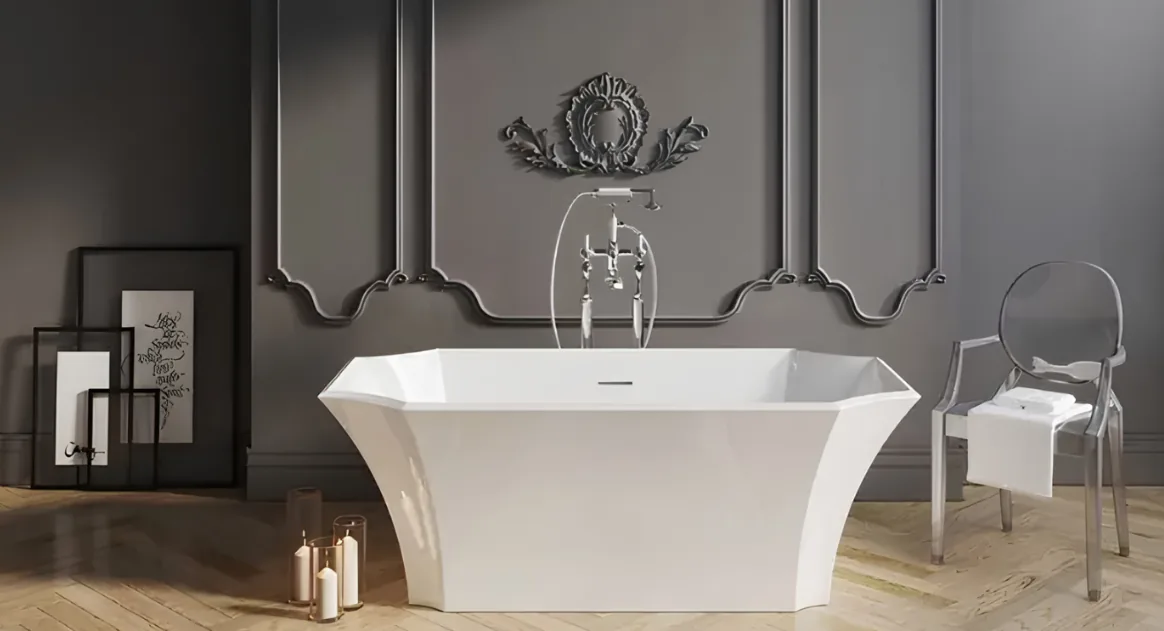
Social media and design magazines make it easy to chase a look without considering how fixtures actually feel in daily use. A sculptural spout may photograph beautifully but splash water across the counter because the reach doesn't match your sink. Ignoring component compatibility can lead to severe splashing or installation issues that become a daily annoyance.
Luxury fixtures should feel as good as they look. Handle ergonomics, water control precision, spray patterns, and ease of reach all matter-especially in a residential bathroom used by multiple people. Choosing comfort-height toilets can enhance usability and accessibility, and lever-style faucet handles are easier to operate for every age group.
Design consultations and working displays in a showroom let you experience fixtures before committing. Running water through a showerhead, turning a faucet handle, and sitting on a toilet seat tells you more in five minutes than hours of online browsing ever could.
Functional Details You Should Test
- Fixture handle feel and ease of operation, including for children and older adults in your household.
- Showerhead spray patterns, handshower flexibility, and how smoothly the diverter operates between functions.
- Sink bowl depth and shape-choosing sharp sink basins can frustrate daily cleaning tasks, while overly shallow bowls splash with high-arc faucets.
- Toilet seat comfort and flush performance, with attention to sound levels in smaller Atlanta homes where bathrooms sit near bedrooms.
- Vanity faucet height and reach, ensuring water flows comfortably into the bowl rather than onto the deck or counter.
Overlooking Finish Coordination Across the Bathroom
In a well-designed Atlanta home, your bathroom connects visually to bedrooms, hallways, and adjoining spaces. Mixing hardware finishes can make a bathroom look disjointed, even when every individual piece is premium quality. Finish coordination doesn't mean everything must match exactly-it means choosing with intention.
The widely accepted approach uses a dominant finish for the majority of visible metal (faucets, showerheads, tub fillers), a secondary finish for supporting elements (lighting, cabinet pulls), and perhaps one accent. Match finishes from the same brand to ensure cohesive aesthetic appeal, since two fixtures labeled "brushed nickel" from different manufacturers can look surprisingly different under real lighting.
Undertone matching matters more than finish names. Warm metals like brass, gold, and bronze pair naturally with each other; cool metals like chrome and polished nickel do the same. Clashing a shiny warm-toned faucet with a matte cool-toned towel bar creates visual tension that undermines even the most beautiful materials.
Smart Ways to Coordinate Fixtures and Hardware
- Choose one dominant metal finish for your faucets, shower fittings, and primary hardware.
- Use a secondary accent finish sparingly-on mirrors, cabinet pulls, or lighting fixtures-when it supports the overall palette.
- Keep warm metals together and cool metals together to maintain a sense of balance throughout the room.
- Work with a showroom that lets you hold real finish samples against your tile, stone, and paint selections under both natural and artificial light.
Not Planning Storage and Access Around Fixtures
Even the most beautiful faucets and shower systems feel inconvenient when storage and access are poorly planned. Clutter on counters, towels piled in the wrong spot, and bottles balanced on shower floors undermine the functionality of a well-designed bath.
Thoughtfully designed cabinetry, medicine cabinets, and niches make premium fixtures easier to enjoy. Wall-mounted cabinets maximize storage without crowding the space, and under-sink organizers help utilize often wasted space. Fitted bathroom furniture eliminates awkward gaps, and custom storage solutions can include hidden pull-out drawers that keep essentials accessible without visual clutter. Built-in niches provide additional storage without taking up floor space-especially valuable in small bathrooms.
Layout and Storage Oversights
- Mounting towel bars too far from the shower or tub, forcing drips across the floor.
- Placing robe hooks where they block doors or cabinet drawers from opening fully.
- Forgetting recessed niches in the shower, leading to bottles balanced precariously on floors or ledges.
- Choosing a large vessel sink or tall faucet that interferes with medicine cabinet doors or wall sconces.
- Measure clearance around installations to prevent usability issues, particularly in compact bathrooms where every inch matters.
Buying Online Without Seeing Fixtures in Person

Online shopping is appealing-wide selection, easy comparison, sometimes a lower price. But for complex bathroom fixtures, buying without seeing and testing in person introduces real risk. Photos rarely show true scale, actual finish color, or how handles move and feel under your hand.
A working showroom in Atlanta lets you run water through faucets, test shower spray coverage, and hold finish samples against your actual tile and stone selections. You can compare the weight of solid brass to hollow zinc, feel the precision of a quality cartridge, and see how a matte black faucet looks under warm versus cool light. That experience is impossible to replicate from a screen at big-box stores or online retailers.
Expert guidance matters too. Showroom consultants who understand local homes, Georgia building practices, and the construction realities of Atlanta residential projects help you avoid compatibility issues and verify local building codes for water flow rates before you commit.
Skipping Professional Guidance and Installation Planning
Choosing fixtures in isolation-without input from your designer, builder, or installer-is a recipe for problems on site. Fixture lead times for luxury and designer lines can stretch weeks or months, and if your selections don't align with construction timelines, the entire project stalls. Set a realistic budget to avoid project delays, and prioritize serviceability by choosing brands with readily available replacement parts.
A showroom is not a contractor, but its consultants regularly coordinate selections with Atlanta interior designers, builders, and installers. They understand how rough-in specifications, valve compatibility, and cabinetry dimensions must align. Share your construction timeline, rough-in dates, and builder requirements before ordering fixtures to keep everything on track.
Look for WaterSense-labeled fixtures for water efficiency and performance certification. EPA WaterSense bathroom faucets use no more than a specified maximum flow rate for efficiency, and WaterSense showerheads are independently certified for performance as well as efficiency-details your showroom consultant can walk you through.
How to Involve Your Design and Build Team
- Bring floor plans, elevations, and any notes from your architect or designer to the showroom.
- Confirm fixture specifications, dimensions, and installation notes with your installer or plumber before final purchase.
- Schedule a design consultation early in the project so fixture lead times and cabinetry decisions support the overall timeline.
- Aligning everyone early helps ensure that what you select in the showroom is installed exactly as envisioned on site-no surprises, no compromises.
Choose Bathroom Fixtures With Confidence
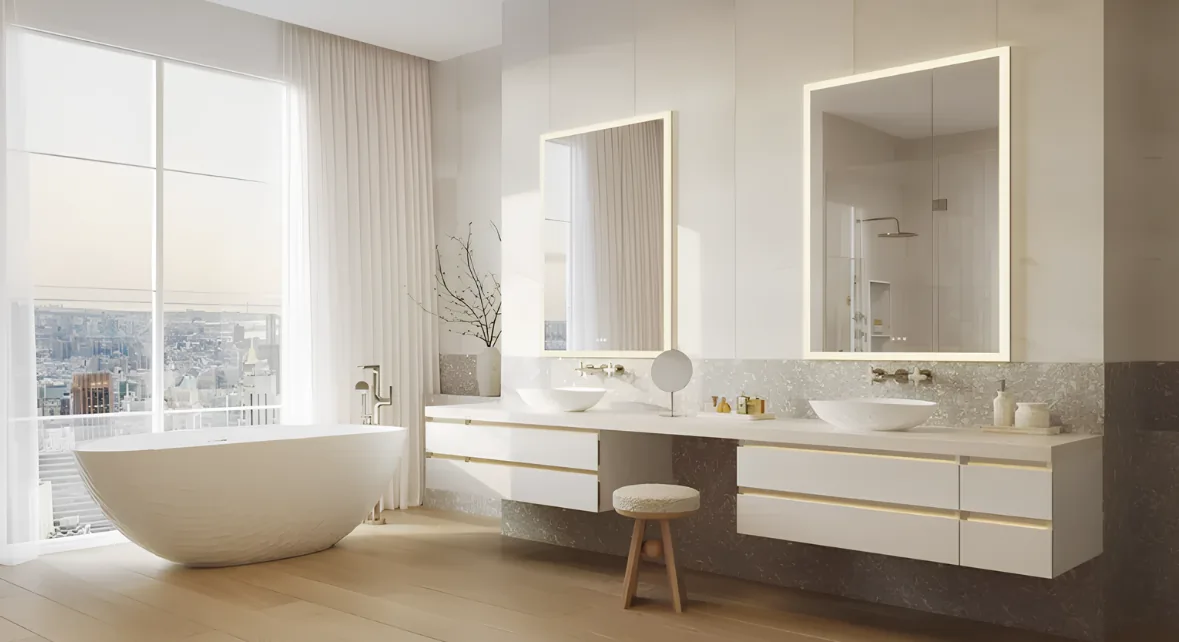
Choosing the right bathroom fixtures requires balancing design, durability, functionality, compatibility, and long-term value. Avoiding common purchasing mistakes can help prevent costly replacements, installation problems, and mismatched finishes. Taking time to compare materials, measurements, features, and overall design ensures each fixture contributes to a bathroom that is practical, cohesive, and built to last.
European Kitchen & BathWorks helps homeowners, designers, builders, and remodelers find premium bathroom fixtures in Atlanta with personalized guidance and an extensive selection of quality products. Our offerings include custom cabinetry, hardware, designer lighting, TOTO toilets, and premium kitchen fixtures for coordinated spaces. Contact us to find the right products and create a kitchen or bathroom that combines lasting performance with refined design.
Frequently Asked Questions
What should I decide first when buying bathroom fixtures for my Atlanta home?
Start with your layout and plumbing locations-know your rough-in dimensions, drain positions, and water supply access before you begin shopping. From there, clarify your lifestyle and specific needs, then move into style and finish decisions. Bringing room dimensions and photos to a showroom consultation makes these early decisions much easier and prevents expensive changes later.
How do I know which fixtures will work with my existing plumbing?
Confirm rough-in measurements for toilets, shower valves, and sink faucets before you start browsing. Note the distance from the wall to the toilet flange, the number and spacing of sink holes, and your shower valve configuration. Share those measurements and any builder notes with a showroom consultant who can guide you toward compatible selections and help you consult with your installer.
Is it okay to mix metal finishes in the same bathroom?
Yes-mixing finishes can work beautifully when there is a clear primary finish and a limited, intentional accent. The key is to keep undertones consistent (warm with warm, cool with cool) and repeat each finish enough times to look deliberate. Bring hardware samples, tile, and paint swatches to the showroom and test combinations under real lighting before making a final decision.
How can I choose low-maintenance bathroom fixtures?
Look for smooth shapes, durable finish processes, and shower glass with protective treatments. Choosing non-moisture-resistant materials can cause deterioration over time, especially in Atlanta's humid climate. Ask about care instructions for each finish and consider how often the space is used. Ignoring ventilation can lead to moisture damage, so make sure your bath has proper exhaust capacity to protect your investment.
When should I visit a showroom during my bathroom remodel?
Visit once your layout is roughly defined but before plumbing rough-in and cabinetry orders are finalized. Early selection of key fixtures-toilets, faucets, shower systems, and vanity combinations-helps your entire team keep the project coordinated and on schedule. This is also the ideal time to explore storage solutions, lighting, and accessories that balance beauty and functionality in your new bath.

Chris Brennan is the Owner and Founder of European Kitchen & BathWorks, a luxury kitchen and bath showroom serving the Atlanta area. Since founding the company in 2005, Chris has helped homeowners, architects, interior designers, builders, and remodelers select premium European and luxury kitchen, bath, lighting, and hardware products. With more than 20 years of industry experience, he shares practical insights on product selection, design trends, and creating functional, high-end living spaces through experience-based guidance.