
The Complete Bathroom Fixtures Checklist for Your Remodel
A successful remodel starts long before the first tile is pulled up-it starts with a list. A detailed bathroom fixtures checklist is the single most effective tool for keeping your bathroom renovation project on track, on budget, and visually cohesive from the toilet to the towel racks. Without one, you risk mismatched finishes, incorrect rough-in measurements, and the kind of unexpected delays that turn a dream bathroom into a drawn-out headache. In fact, 24% of homeowners wish they had planned more before starting their renovations.
This blog walks through every fixture category you need to account for in a complete bathroom remodel: plumbing fixtures, lighting and electrical, shower and bathing systems, and the storage and hardware that deliver the final touches. Whether you're gutting your current bathroom down to the studs or refreshing existing fixtures, use this as your bathroom renovation checklist to ensure nothing gets overlooked.
Key Takeaways
- The essential fixtures include the toilet, vanity with sink, and shower or bathtub-select these foundational elements first.
- Proper lighting requires ambient, task, and accent fixtures with appropriate controls to create a well-lit, functional space.
- Ventilation and electrical fixtures, including GFCI-protected outlets and exhaust fans, ensure safety and code compliance.
- Hardware and storage fixtures-from towel bars to medicine cabinets-complete the bathroom's usability and visual appeal.
- A detailed checklist helps keep your project on track, and professional consultation ensures all fixtures work together cohesively.
Essential Plumbing Fixtures
Plumbing fixtures are the foundational elements of any bathroom remodel project. These are the water-connected components that define how the space functions day to day, and they need to be selected early because they dictate rough-in locations, water supply requirements, and drain positioning. Selecting all plumbing fixture brands early is crucial for effective remodeling; lead times on premium fixtures can stretch weeks or months, and a delay on a single valve body can stall your entire project.
High-quality plumbing fixtures, durable cabinetry, effective lighting, and good ventilation provide long-term value. When budgeting, set aside 10–20% of your budget for unexpected expenses, because plumbing surprises behind bathroom walls are more common than most homeowners expect. Water-saving models are available for toilets, faucets, and showerheads, allowing you to reduce water consumption significantly without sacrificing performance.
Toilet and Bidet Selection
Choose fixtures that define your bathroom's style and functionality, and the toilet is often the first decision that shapes the rest of the layout:
- One-piece toilets fuse the tank and bowl into a single ceramic form for a sleek profile. Easier to clean with no tank-bowl seam, though heavier and typically $300–$1,800 for premium units.
- Two-piece toilets are the most common style, more affordable at roughly $200–$800+, and simpler to ship and install. Tank components remain accessible for repair.
- Wall-mounted toilets hide the tank inside the wall cavity using an in-wall carrier frame. Compact wall-mounted designs can save floor space in bathrooms and allow adjustable seat height. Installation cost is higher-carrier, bowl, and labor often double a floor-mounted unit's total.
- Smart toilets and bidet seats are increasingly standard in luxury primary bathrooms. Features include warm-water spray with adjustable temperature and pressure, heated seats, air dryers, auto-lids, and deodorization. They require a nearby electrical outlet and reliable plumbing supply lines.
For water efficiency, EPA WaterSense labeled toilets use a maximum of 1.28 gallons per flush — 20 percent below the 1.6 gpf federal standard in place since 1994, and a fraction of the 3.5 to 5 gpf used by older toilets still in service. Dual-flush models give you further control. Comfort-height or ADA-height toilets-with seats 17–19 inches from the floor-benefit adults, elderly users, and persons with mobility challenges.
Sink and Faucet Fixtures
Coordinate sinks and faucets for a cohesive bathroom design-these are the fixtures you interact with most during your daily routine, and they anchor the vanity zone visually.
Sink types to consider:
- Undermount sinks create a seamless countertop surface and simplify cleaning.
- Vessel sinks are sculptural and dramatic but require a higher countertop height and careful faucet selection.
- Vanity-mounted (drop-in) sinks integrate with cabinetry and drawers for maximum storage space.
- Pedestal sinks work well in a powder room where enough storage space isn't a priority and floor space is limited.
Material options range from vitreous china and fire-clay to stone, concrete, and solid surface, each with trade-offs in cost, durability, and maintenance. Custom vanities can enhance both style and storage in bathrooms, especially when designed to complement your sink choice.
Faucet configurations:
- Single-hole faucets suit modern, minimal designs.
- Centerset (4-inch) configurations fit compact vanities.
- Widespread (8-inch) setups are standard in larger, luxury vanity installations.
Finishes on bathroom fixtures should be coordinated for a cohesive design. The 2026 finish palette leans warmer, with brushed brass, satin brass, and brushed gold adding warmth to bathroom fixtures. Brushed nickel remains a widely used choice, while black, graphite, and titanium finishes offer darker contrast. The safest approach is to choose a finish family deliberately, then coordinate faucets, shower trim, drains, towel bars, and cabinet hardware so the room feels intentional rather than mismatched.
Common Fixture Sizing Mistakes
Measure your bathroom's dimensions for accurate material ordering and fixture selection. These are the mistakes that cause the most costly rework:
- Ignoring rough-in distances: Most U.S. toilets use a 12-inch rough-in (wall to waste outlet center), but 10-inch and 14-inch variants exist. Verify before ordering-a mismatch means returning the toilet or moving plumbing.
- Underestimating clearances: Allow a minimum of 21–22 inches of clear space in front of the toilet, 30–36 inches in walkway aisles, and 4–6 inches between the sink and adjacent walls or fixtures. A well-designed bathroom layout optimizes space and functionality only when these minimums are respected.
- Choosing an elongated bowl without measuring: Elongated bowls add 2–3 inches of extension from the wall compared to round bowls. In a smaller bathroom size, this can crowd the walking path.
- Misaligning faucet hole count with sink configuration: A widespread faucet won't fit a single-hole sink. Confirm compatibility before purchase.
Measure your space accurately to avoid costly mistakes. If the existing layout doesn't support your fixture choices, structural changes to the plumbing rough-in are possible-but they must be planned, permitted, and budgeted well in advance. Obtain necessary permits for plumbing or electrical changes before work begins.
Shower and Bathing Fixtures
A complete bathroom remodel requires careful planning across three main zones, and the shower or tub area is often the most complex. This is where plumbing, waterproofing, and design intersect.
Shower system components to include on your checklist:
- Showerheads: fixed, rainfall, ceiling-mounted, slide bars, and hand showers. Flow rates are regulated-typically a max of 2.0 GPM, with many models at 1.75–1.8 GPM to meet local building codes.
- Body sprays and multiple outlets: these require diverter valves and demand adequate water pressure. Multiple heads reduce flow per outlet unless the plumbing is sized appropriately.
- Shower valves: a pressure-balanced valve keeps temperature stable when pressure fluctuates (such as when someone flushes a toilet elsewhere in the house). Thermostatic valves are excellent for preventing temperature spikes in showers-they hold a preset temperature even when both pressure and supply temperature vary. Premium valve bodies alone run $150–$400+, with thermostatic models at the higher end.
Bathtub fixtures:
- Freestanding tubs need a floor-mounted or wall-mounted filler. Deck-mount options work for alcove or platform tubs.
- Drain and overflow assemblies must match your other plumbing fixtures in finish and meet local code for overflow height.
Luxury upgrades for a larger shower or new shower include chromotherapy lighting (LEDs embedded in walls or ceiling), and bench seating. Consider waterproofing systems for shower areas during renovations-steam showers require continuous waterproofing with ANSI A118.10-S bonded membranes and vapor barriers behind walls, with meticulous sealing at niches, benches, and curbs.
Lighting and Electrical Fixtures
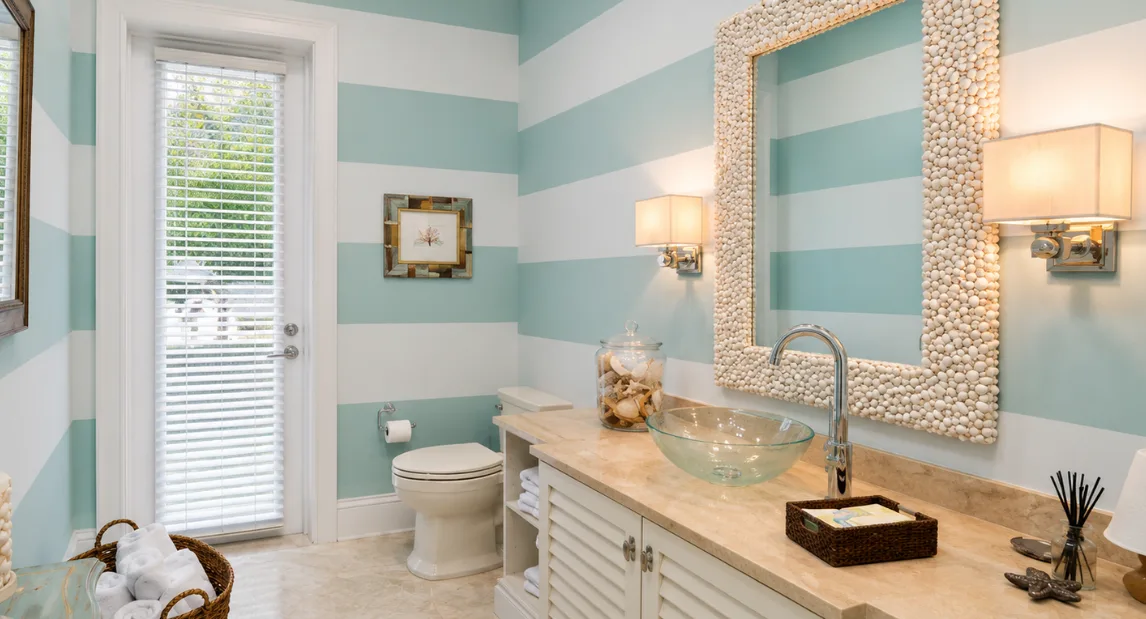
Good lighting upgrades include vanity lights, ceiling ambient lighting, and waterproof shower lights. Bathroom lighting is about more than a single ceiling fixture-professional design organizes light into layers that serve different purposes.
The four layers of bathroom lighting:
- Ambient lighting provides general illumination through recessed ceiling fixtures, flush mounts, or integrated ceiling lighting. Rather than relying on a single lumens-per-square-foot rule, plan ambient lighting around the room size, ceiling height, fixture output, beam spread, surface finishes, and dimming controls.
- Task lighting focuses on the vanity and mirror for grooming. Sconces flanking the mirror at eye level, or well-placed vertical lighting, usually produce more even facial illumination than a single overhead fixture.
- Accent lighting highlights architectural details such as shower niches, cove lighting, or toe-kick lighting under the vanity.
- Decorative lighting adds character. A pendant or small chandelier can work in bathrooms with sufficient ceiling height. Match the fixture’s listing and placement to the location: use wet-location-rated fixtures where they are exposed to water spray, account for clearance restrictions around tubs and showers, and defer to local code.
Natural light enhances the aesthetic of a bathroom design; where possible, incorporate it alongside your lighting fixtures. Incorporating energy-saving lighting improves bathroom ambiance-LED fixtures with dimmer compatibility let you shift from bright task lighting to relaxed evening tones.
Electrical and ventilation checklist items:
- GFCI-protected outlets: These are required by NEC code in bathrooms, especially within six feet of water sources. Circuits are typically 20-amp dedicated lines.
- Exhaust fans: Using a ducted humidity-sensing exhaust fan is vital for preventing mold. Size the fan by room volume-generally 1 CFM per square foot minimum. A quality exhaust fan can remove moisture and reduce mold and mildew, protecting your new space for years. Install moisture-resistant drywall for durability in bathrooms behind the fan and in wet zones.
- Smart home integration: dimmer-controlled zones, voice assistant compatibility, motion sensors, and smart mirrors with anti-fog and built-in lighting. Plan wiring for heated floors and towel warmers on separate circuits.
Storage and Hardware Fixtures
The hardware and accessories are the final touches that transform a bathroom renovation from a construction project into a finished, functional space. Adequate storage is essential to keep countertops uncluttered in bathrooms, and the right hardware ties the entire color palette together.
Essential hardware to include:
- Towel bars (single, double, or heated) and towel rings-consider placement relative to the shower and tub
- Robe hooks near the shower entry or behind the door
- Toilet paper holders positioned within arm's reach of the toilet
- Towel racks sized for daily use, especially if multiple people share the bathroom
- Recessed niches in the shower for shampoo and soap storage, eliminating the need for hanging caddies
- Shelving in glass, stone, or built-in tile for both shower and vanity areas
Mirrors and medicine cabinets:
Size mirrors to match vanity width. Options include framed, frameless, and backlit LED styles. Medicine cabinets may require electrical for internal lighting-plan this wiring during rough-in.
Hardware finish coordination:
Mixed metal palettes are increasingly acceptable in 2026 design. A brushed brass towel bar paired with graphite accent hardware creates depth without clashing, complementing essentials for a modern spa-inspired bathroom. Whatever your design plan, finishes should be deliberate and consistent. PVD coatings offer the best wear resistance; satin and brushed finishes hide water spots better than polished or high-gloss options.
Accessibility and universal design:
- Grab bars finished to match your other hardware for visual cohesion, conforming to strength and placement codes
- Lever handles on faucets and door hardware-easier to operate than knobs for all users
- Appropriate clearances: turning radius minimums of 30–48 inches for wheelchair access
- Lower or adjustable vanity height for users with mobility constraints
Hiring professionals can prevent costly mistakes during renovations, particularly when integrating accessibility features into the design that must meet specific code requirements.
Bring Every Bathroom Detail Together
A successful bathroom remodel starts with choosing fixtures that combine style, durability, and everyday functionality. From faucets and sinks to toilets and lighting, every element should work together to create a cohesive, comfortable space. Careful planning ensures a finished bathroom that adds lasting beauty, value, and convenience to your home.
European Kitchen & BathWorks offers premium bathroom fixtures in Atlanta to help homeowners create elegant and functional bathrooms tailored to their vision. We also provide exceptional cabinetry, hardware, lighting, and TOTO products for a beautifully coordinated interior. Let us help you select the ideal fixtures and finishes with expert guidance and premium solutions designed for lasting performance.
Frequently Asked Questions
What fixtures should I order first for my bathroom remodel?
Order the toilet, shower valve, and vanity with sink first. These are the foundational elements that determine your plumbing rough-in dimensions, and they often have the longest lead times. Delays on any of these will halt your entire project timeline. A bathroom remodel checklist minimizes expenses and manpower demands by sequencing purchases correctly.
How do I ensure all my bathroom fixtures will work together?
Start by selecting a unifying finish family-for example, brushed brass or satin nickel-and carry it across faucets, showerheads, drain assemblies, towel bars, and cabinet hardware. Finishes on bathroom fixtures should be coordinated for a cohesive design. Working with a showroom or design professional makes it easier to see all finishes side by side before committing.
What's the difference between rough-in and finish fixtures?
Rough-in fixtures are the behind-the-wall components installed during the framing and plumbing phase: valve bodies, supply lines, drain pipes, and electrical boxes. Finish fixtures are the visible elements-faucet trim, showerheads, light fixtures, outlets, and hardware-installed after tile, paint, and cabinets are in place. Both must be selected early so dimensions align.
Which bathroom fixtures require professional installation?
Shower valves, toilet connections (especially wall-mounted units), electrical outlets, exhaust fans, and any fixture requiring plumbing or electrical modifications should be handled by a professional contractor. DIY projects can save money but may increase stress levels, particularly when code compliance and waterproofing are involved. Professional contractors ensure compliance with local building codes.
How do I choose fixtures that match my bathroom's style?
Define your design plan before shopping. Identify whether your new space leans modern, transitional, or traditional, then select a consistent color palette and finish family. Consider the bathroom's dimensions and how each fixture relates to the floor tile, wall materials, and cabinetry.
What fixtures are essential versus luxury add-ons?
Essential fixtures include a toilet, sink with faucet, shower or tub with valve and showerhead, lighting fixtures, exhaust fan, and GFCI outlets. Luxury add-ons include bidet seats, thermostatic shower valves, body sprays, chromotherapy lighting, heated towel bars, and smart mirrors. Set aside 10–20% of your budget for contingencies, and allocate funds for unexpected expenses during renovations so that a realistic budget still allows room for the upgrades that matter most to your daily routine.

Chris Brennan is the Owner and Founder of European Kitchen & BathWorks, a luxury kitchen and bath showroom serving the Atlanta area. Since founding the company in 2005, Chris has helped homeowners, architects, interior designers, builders, and remodelers select premium European and luxury kitchen, bath, lighting, and hardware products. With more than 20 years of industry experience, he shares practical insights on product selection, design trends, and creating functional, high-end living spaces through experience-based guidance.