
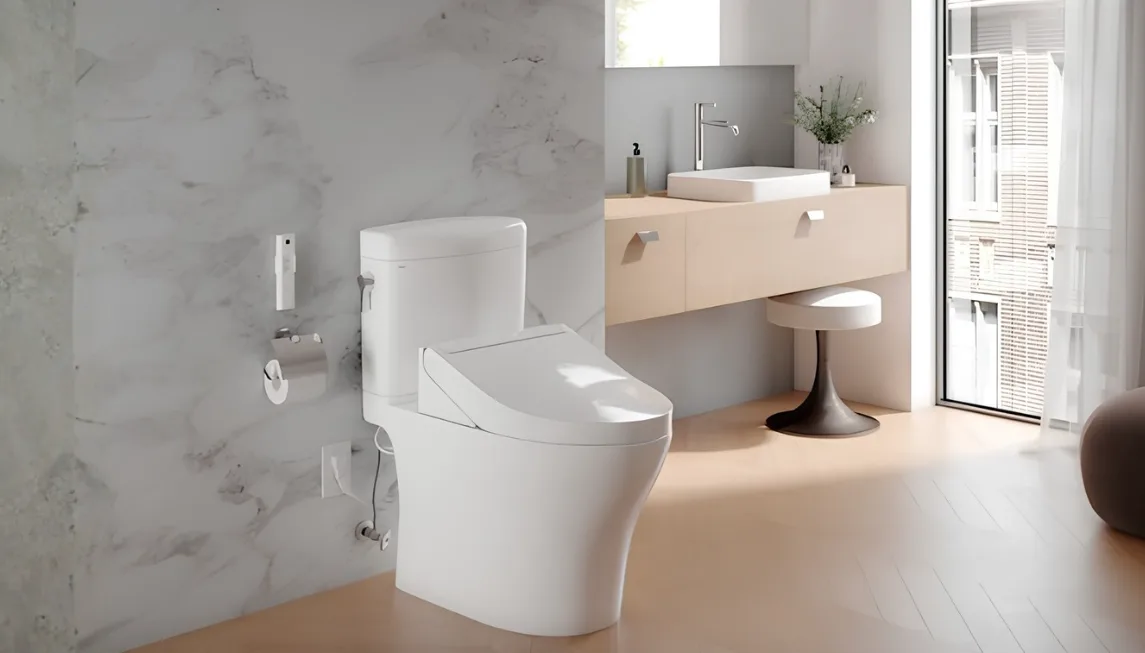
Why Smart Toilets Are the Future of Modern Bathrooms
The bathroom has evolved far beyond its purely functional origins into a wellness sanctuary where comfort, hygiene, and technology converge. At the center of this transformation sits the smart toilet – a fixture that is rapidly redefining what homeowners expect from their most private space. Smart toilets combine integrated bidet systems, touchless operation, heated seats, and even health-monitoring sensors into designs that elevate the bathroom experience from routine to remarkable.
Whether you are planning a full renovation or exploring lifestyle upgrades that make daily life more convenient, understanding smart bathroom technology is essential. This blog covers the features, benefits, and practical considerations that make modern smart toilets the defining fixture of modern bathrooms.
Key Takeaways
- Smart toilets combine advanced hygiene, comfort, and water efficiency in a single high tech fixture.
- Water conservation features like dual flush systems and ultra-low-flow designs deliver significant environmental benefits and lower utility bills.
- Luxury features such as heated seats, personalized settings, and integrated bidet functions enhance every bathroom routine.
- Integration with smart home technology positions intelligent toilets as essential components of connected everyday living.
- Professional installation ensures optimal performance, code compliance, and long-term value for homeowners.
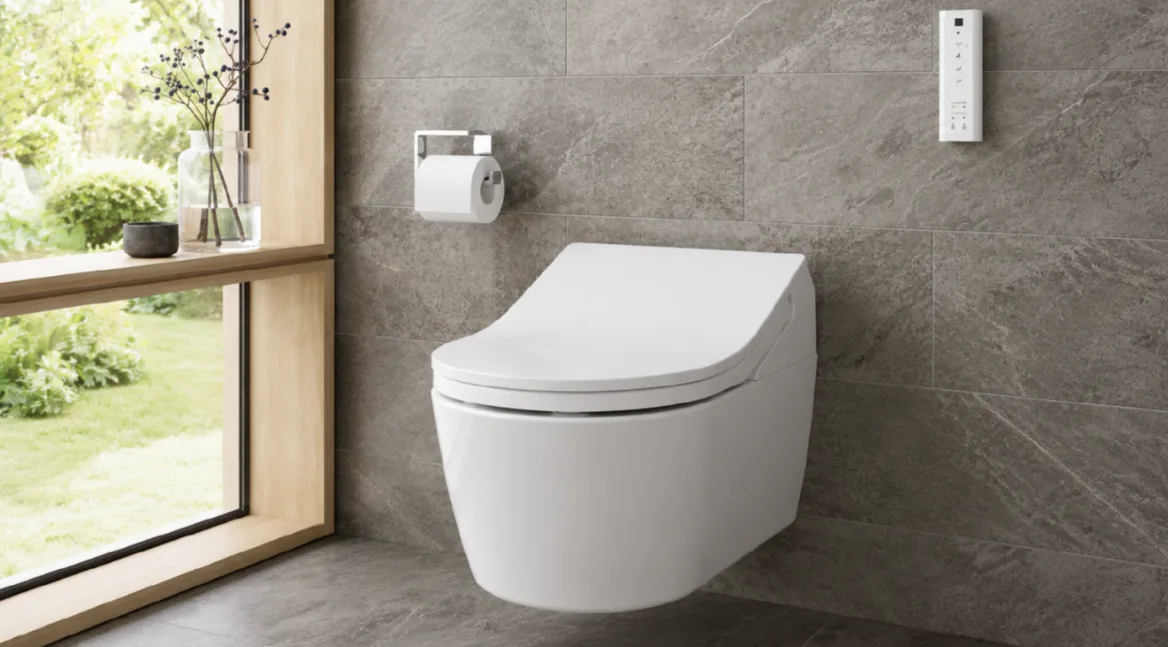
The Technology Revolution Transforming Bathrooms
Smart toilets represent the most significant advancement in bathroom fixtures since the introduction of indoor plumbing itself. Where conventional toilets have remained largely unchanged for decades, modern smart toilets merge sensors, automation, and digital personalization into a single streamlined unit – transforming a utilitarian necessity into a centerpiece of bathroom design.
At their core, these fixtures integrate motion sensors that detect presence and trigger automatic lid opening and closing, instant water heaters that deliver warm water on demand, and microprocessor-controlled systems that remember individual preferences for each family member. Many smart toilets communicate with broader smart home ecosystems, connecting to voice assistants, smartphone apps, and even health platforms. The result is a fixture that feels less like plumbing and more like personal technology – aligned perfectly with the same smart home technology trends driving smart showers, lighting systems, and climate controls throughout the house.
Essential Smart Features Defining the Future
The features that define intelligent toilets go well beyond a simple flush. Here is what sets these fixtures apart:
Touchless Operation & Automatic Flushing The automatic flushing feature eliminates the need for physical contact with germ-ridden surfaces. Motion-activated lids open as you approach and close after you leave, while automatic flush systems engage without a handle or button. Automatic flushing reduces contact with germ-ridden surfaces, and touchless operation reduces the spread of germs in bathrooms – a meaningful upgrade for any household.
Integrated Bidet Functionality An integrated bidet replaces the need for traditional toilet paper with adjustable water pressure, water temperature control, and customizable nozzle position for posterior and feminine cleansing. Bidet functions provide a more hygienic cleaning method than toilet paper, and many models offer oscillating or pulsating spray patterns for thorough, gentle cleansing. Personalized settings for water temperature enhance user comfort, letting each user save their preferred configuration.
Heated Seats & Air Drying Smart toilets often feature heated seats for added luxury – an especially welcome comfort during cooler months or in bathrooms with tile flooring. Built-in warm air dryers further reduce dependence on toilet paper, while adjustable water temperature ensures the entire experience feels spa-like rather than clinical.
Deodorization & Self-Cleaning Systems Many smart toilets have self-cleaning nozzles and UV sanitation technologies that activate after each use. Self-cleaning features use sensors to maintain hygiene after each use, while activated carbon deodorization systems work like built-in air purifiers, neutralizing odors during and after use. Smart toilets often feature antimicrobial surfaces to prevent bacteria growth, and advanced bowl glazing resists staining to minimize manual cleaning.
Night Lights & Ambient Features Smart toilets can include built-in night lights for convenience, using soft LED lights to illuminate the bowl or surrounding area without disrupting sleep. Some advanced models can even play music to enhance the bathroom experience, turning an ordinary moment into something unexpectedly pleasant.
Health and Hygiene Benefits Driving Adoption
Enhanced hygiene is one of the most compelling reasons many homeowners are choosing smart toilets over traditional toilets. Water-based cleansing through an integrated bidet delivers a level of cleanliness that traditional toilet paper simply cannot match, reducing microbial load and irritation – particularly beneficial for postpartum recovery, sensitive skin, or chronic pain conditions.
Smart toilets use automatic flushing to minimize germ exposure, and touchless flushing means fewer bacteria transfer points throughout the bathroom. When combined with high-end plumbing fixtures designed for durability, these features create a measurably healthier environment for every family member.
Common Selection Mistakes to Avoid
Even the most feature-rich smart toilet will underperform if fundamental installation and compatibility factors are overlooked. Here are the mistakes interior designers and homeowners most frequently make:
- Choosing models without proper electrical planning: Smart toilets require a dedicated 15–20 amp circuit with a GFCI-protected electrical outlet positioned behind the toilet. Many older Atlanta homes lack this outlet entirely. Ignoring this step can void warranties and compromise safety.
- Overlooking water pressure requirements: Many smart toilets need a minimum of 30–40 PSI static water pressure to deliver effective bidet spray and reliable flushing. Low water pressure leads to weak performance – always verify your home's pressure before selecting a model. Refer to tips on choosing the right plumbing fixtures for additional guidance.
- Focusing only on features without considering long-term maintenance: Bidet nozzles need periodic cleaning or rely on self cleaning mechanisms; deodorizer cartridges require replacement; and hard water mineral buildup can affect sensor accuracy. Smart models from premium brands typically offer better parts availability and service networks.
- Ignoring rough-in dimensions and clearances: Standard rough-in is 12 inches from the wall to the flange center, with at least 15 inches of clearance to side walls. These fixtures often incorporate sleek and minimal designs, saving less space than expected if measurements are not confirmed in advance.
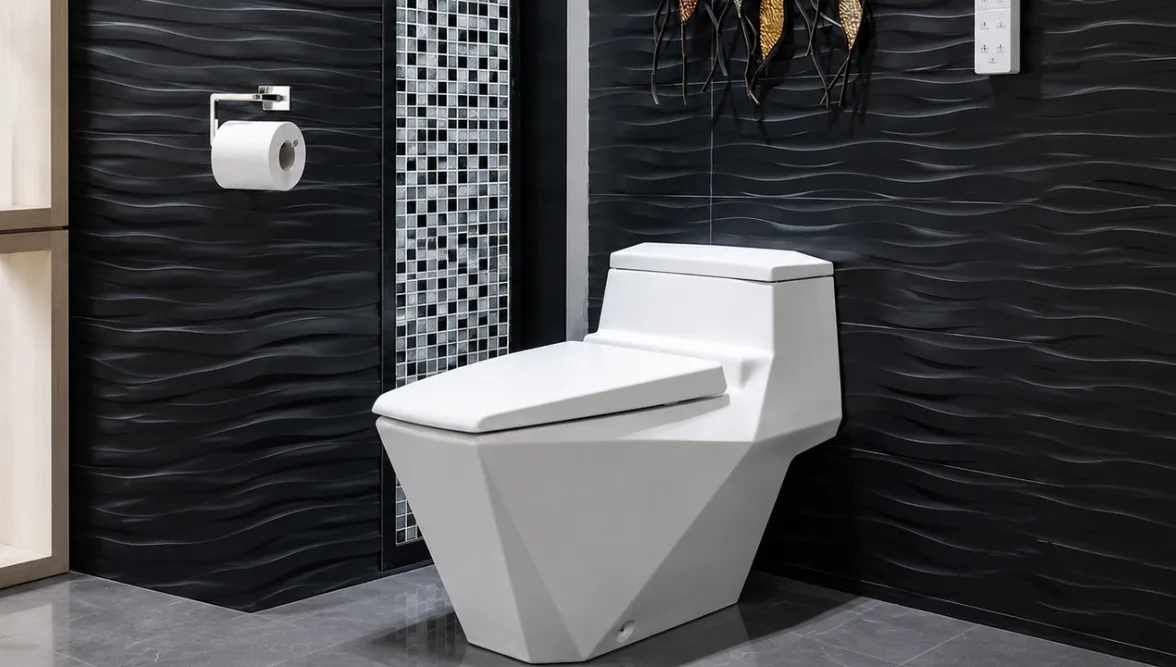
Why Smart Toilets Are Becoming Essential Luxury
The perception of smart toilets has shifted dramatically. Features that once seemed extravagant – heated seats, touchless flushing, adjustable water temperature – are now expected by homeowners investing in spa-inspired bathroom renovations. Smart toilets are increasingly popular in luxury bathroom renovations, and the installation of smart toilets can increase the value of a home, making them a smart move for both comfort and resale.
Water Efficiency & Environmental Consciousness Traditional toilets require nearly 6 gallons per flush, while smart toilets can reduce water usage to less than 1 gallon per flush. Smart toilets use less than 1 gallon per flush – a reduction that, according to the EPA's WaterSense program, can save nearly 13,000 gallons per home annually when replacing older inefficient units. Smart toilets feature dual flush options for water conservation, allowing users to select a lower volume for liquid waste and a full flush for solid waste. Studies have shown dual flush installations achieve approximately 32% water savings over standard 1.6 gpf models. Smart toilets can reduce water usage without compromising performance, and smart toilets help lower utility bills through efficient water use – delivering tangible environmental benefits alongside daily convenience.
Integration with Smart Home Automation Modern smart toilets connect seamlessly with broader bathroom automation. Paired with smart showers, lighting systems, and ventilation controls, they create a spa like atmosphere that responds to individual preferences. Health data from toilet sensors can potentially sync with wellness apps, while features like ambient LED lights and programmable user profiles ensure the bathroom experience adapts to each household member. Premium brands like TOTO offer advanced features that integrate into these connected environments, delivering convenience that extends throughout daily life.
Experience the Next Generation of Bathroom Comfort
Smart toilets are redefining modern bathrooms by combining advanced technology, superior hygiene, and everyday convenience. Features like automatic flushing, bidet functions, heated seating, and water efficiency enhance comfort while creating a cleaner, more luxurious experience. Investing in the right smart toilet adds lasting value, functionality, and sophistication to your home.
European Kitchen & BathWorks offers premium TOTO toilets in Atlanta to help homeowners create elegant and innovative bathroom spaces with exceptional performance. We also provide high quality cabinetry, hardware, lighting, and TOTO products for a beautifully coordinated interior. Let us help you transform your bathroom with expert guidance and premium solutions designed to match your lifestyle and vision.
Frequently Asked Questions
How much water do smart toilets save compared to traditional models?
The difference is dramatic. Traditional toilets require nearly 6 gallons per flush, while smart toilets use less than 1 gallon per flush. Replacing inefficient fixtures can save 20–60% of household toilet water usage – nearly 13,000 gallons per year according to EPA estimates – resulting in lower utility bills and meaningful water conservation.
What maintenance is required for smart toilet features and technology?
Routine maintenance includes cleaning or inspecting bidet nozzles (many models feature self-cleaning nozzles that handle this automatically), replacing deodorizer cartridges and filters, and ensuring water supply quality to prevent mineral buildup. Sensors and electronic components should be checked periodically, and seals should be inspected to maintain optimal performance.
How do smart toilets integrate with other bathroom automation systems?
Many smart toilets connect with voice assistants, smartphone apps, and broader smart home platforms. They can coordinate with smart showers, ambient lighting systems, ventilation, and even health-monitoring apps to create a fully connected bathroom. Advanced models store multiple user profiles via remote control or app, ensuring personalized settings for every family member.

Chris Brennan is the Owner and Founder of European Kitchen & BathWorks, a luxury kitchen and bath showroom serving the Atlanta area. Since founding the company in 2005, Chris has helped homeowners, architects, interior designers, builders, and remodelers select premium European and luxury kitchen, bath, lighting, and hardware products. With more than 20 years of industry experience, he shares practical insights on product selection, design trends, and creating functional, high-end living spaces through experience-based guidance.