
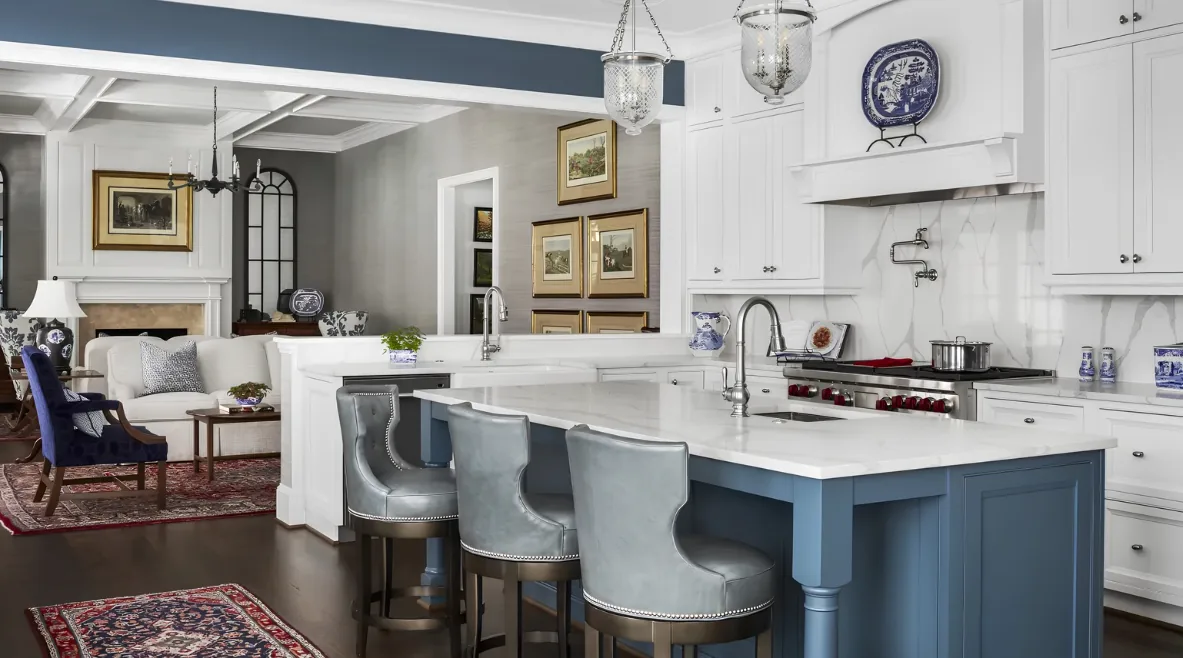
What Is a Pot Filler and Do You Need One in Your Atlanta Kitchen?
Picture this: you're standing at the sink, filling a large stockpot with water for Sunday evening pasta. Now you have to lug that heavy, sloshing, unwieldy pot across the kitchen to the stove. If you've ever wondered whether there's a better way, you're already curious about what a pot filler is and whether you need one. A pot filler is a dedicated faucet mounted near your cooktop that lets you fill pots right where you cook, and it has become one of the most loved fixtures in Atlanta's luxury kitchens. This blog walks you through how a pot filler works, the convenience it brings, design options worth exploring, and how to decide whether it belongs in your kitchen remodel or new build.
Key Takeaways
- A pot filler is a wall-mounted faucet with an articulated arm installed above or beside your range, designed to fill pots directly on the cooking surface.
- It saves time by eliminating trips between the sink and stove, reducing strain and making meal prep feel smoother.
- Pot fillers are available in various styles and finishes, making them both a practical tool and a visually striking design detail in a luxury kitchen.
- Atlanta and Georgia homeowners planning a kitchen remodel or new construction will find it easiest to add a pot filler while walls, plumbing, and backsplash work are already in progress.
- The fixture is an optional luxury-one that delivers the most value for avid home cooks, frequent entertainers, and anyone who appreciates a professional look in their cooking space.
What Is a Pot Filler?
A pot filler is a specialized, wall-mounted faucet installed above a kitchen stove or cooktop, featuring an articulated arm that swings out over the burners so you can fill pots with cold water right where they'll be heated. When you're not using it, the arm folds flat against the wall or backsplash, staying neatly out of the way.
Pot fillers are typically plumbed from the same cold water supply that feeds the rest of your kitchen, but they operate independently with their own shut-off handles. Many pot fillers feature dual shut-off valves to prevent leaks and drips, giving you peace of mind even in a busy cooking environment. The design typically allows a high water flow rate, so you can fill large pots quickly and easily-no more waiting at the sink faucet.
Where a Pot Filler Fits in Your Kitchen Layout
The most common location for a pot filler is centered above the back burners of a gas or electric range, or above a rangetop built into a custom cabinetry surround. From there, the articulated arm can reach forward and side to side, covering multiple burners.
Placement options include:
- Centered above the range – aligned with the visual center of the cooking area and often with a decorative range hood above.
- Offset to one side – useful when the hood, tile pattern, or cabinetry layout calls for asymmetry, or when plumbing access is easier from one direction.
- Integrated within a backsplash feature – the pot filler becomes part of a decorative tile or stone slab focal point, framed by custom cabinetry and coordinated with the hood.
Careful planning with your kitchen cabinets, backsplash design, and range hood is essential. Proper placement requires measuring the space between the range and cabinets so the arm moves freely. When thoughtfully positioned, a pot filler looks intentional-like it was always part of the plan.
Why Home Cooks Love Pot Fillers
Daily cooking routines involve plenty of steps between the sink, the fridge, the stove, and the countertop. A pot filler simplifies one of the most physically demanding parts of meal prep-getting water to the cooking surface-and transforms it into an effortless, almost elegant motion. Whether you're boiling spaghetti on a weeknight or simmering stock for a multi-course dinner, this fixture makes the process feel smoother and more elevated.
Everyday Convenience in a Busy Kitchen
Pot fillers save time by eliminating trips to the sink. Instead of filling a heavy pot at the faucet and then having to carry it across the kitchen-risking spills along the way-you simply swing the arm over your pot on the stove and turn the handle. In open-concept Atlanta kitchens where the range is part of the main entertaining space, this convenience is especially nice.
Pot fillers are ergonomically designed to reduce strain on the back, wrists, and arms during cooking. Less bending, less twisting, and fewer awkward walks with sloshing water through a high-traffic kitchen add up to real comfort over time.
Tasks made easier with a pot filler include:
- Boiling water for pasta or spaghetti without a trip to the sink
- Blanching vegetables in large batches
- Preparing one-pot meals and soups that call for several quarts of water
- Heating water for seafood boils or low-country boils
- Filling stock pots for canning or preserving
Supporting Home Entertaining and Cooking Routines
If you love to cook and entertain, a pot filler lets your main sink stay available for rinsing food, washing hands, or cleaning dishes while someone else fills pots at the range. This kind of multitasking is essential during holiday gatherings, game-day parties, or multi-course dinners with guests seated near the kitchen island.
Atlanta-appropriate scenarios where a pot filler really shines:
- Hosting a large Thanksgiving dinner where every burner is in use
- Preparing a seafood boil while the rest of the kitchen stays clean and accessible
- Cooking alongside a partner or family member without competing for sink space
- Filling a deep pot for a batch of chili before a fall tailgate
Design & Style Options for Pot Fillers
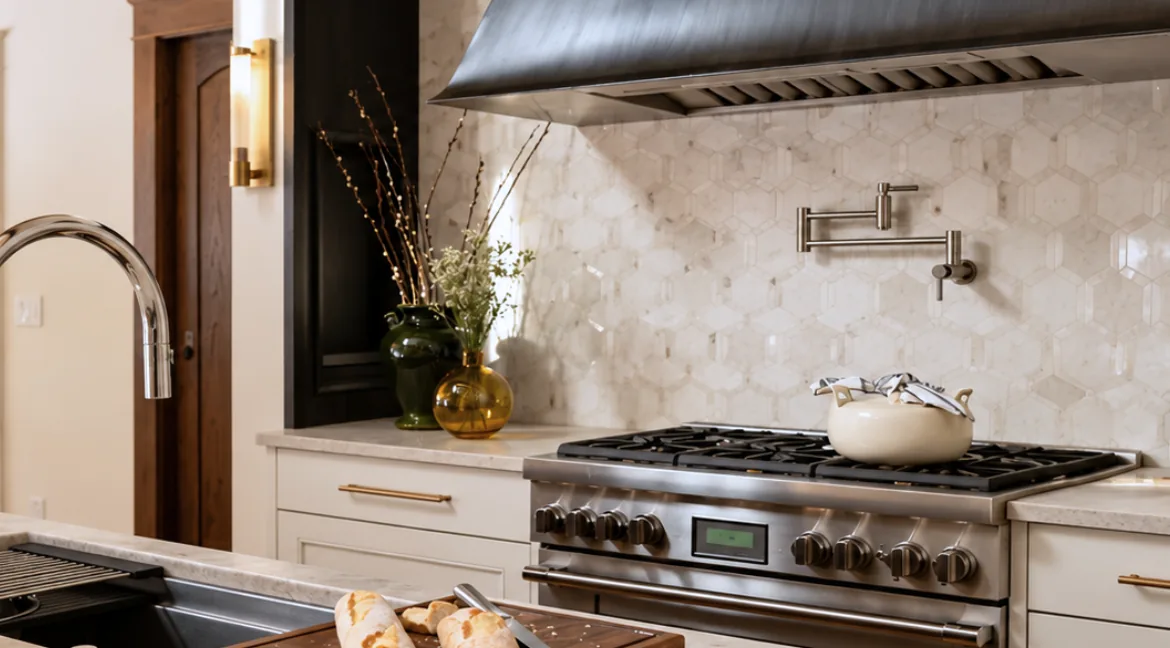
A pot filler is more than a plumbing fixture-it's an eye-catching design detail that draws the eye above the range. Pot fillers come in various styles and finishes, so you can coordinate them with your kitchen faucets, cabinet hardware, lighting, and appliances for a cohesive, curated look. Atlanta homeowners often pair pot fillers with statement range hoods and decorative tile backsplashes to create a visually complete cooking zone.
Finishes, Handles, and Arm Styles
The right finish and silhouette can make a pot filler feel like a natural extension of your kitchen's design story. Here's what to consider:
- Finishes: Warm brass tones, polished and brushed nickel, classic chrome, matte black, and other designer metallics are all popular in luxury kitchens. A well-chosen pot filler can enhance kitchen aesthetics and give the entire cooking area a professional look.
- Handle styles: Single-handle pot fillers offer streamlined simplicity, while double-handle designs give a more traditional, professional appearance.
- Arm configurations: Single-arm models work well in compact cooking areas, while dual-arm (articulated) designs provide extended reach across wide ranges and fold flat when not in use.
- Coordination: The chosen finish and style should complement your sink faucet, cabinet hardware, and statement lighting in the same space.
Visiting a showroom where you can touch and operate pot filler arms is the best way to discover which combination feels right for your kitchen. Testing reach, handle placement, and arm movement gives you confidence before you commit.
Coordinating with Cabinets, Backsplash, and Appliances
When framed by custom cabinets and a striking backsplash, a pot filler becomes the visual focal point of the cooking zone. The idea is to think of the fixture as part of a broader design story, not a standalone plumbing decision.
High-level pairing direction:
- Warm brass or gold-toned pot fillers pair beautifully with natural wood cabinetry and stone slab backsplashes.
- Cooler brushed metals complement painted cabinets and clean, modern tile layouts.
- Matte black fixtures create bold contrast against lighter stone or decorative tile, adding drama without overwhelming the space.
The fixture's shape can echo the lines of professional-style ranges, paneled refrigeration, and statement hoods often chosen in Georgia homes. When every element-from the pot filler to the cabinet pulls-speaks the same design language, the kitchen feels intentional and complete.
Do You Actually Need a Pot Filler?
Here's the honest question: does your lifestyle and kitchen layout call for a pot filler, or is it more of a nice-to-have? The answer depends entirely on how you cook, how you use your kitchen, and what you're investing in during your remodel or new build.
How to Decide If a Pot Filler Fits Your Lifestyle
Run through this quick self-assessment:
- Cooking frequency: Do you regularly cook large meals-stocks, soups, pasta, boils-that require filling big pots with water?
- Multiple cooks: Do two or more people cook at the same time in your kitchen, making sink access a challenge?
- Entertaining: Do you host gatherings, holiday dinners, or multi-course meals where the kitchen is the center of activity?
- Kitchen layout: Is the walk from your sink to the range long, or does it cross a busy traffic zone?
- Physical comfort: Would reducing the need to lug a heavy pot across the kitchen save you strain over time? For those thinking about aging in place, this convenience matters more each year.
- Renovation timing: If you're planning a full kitchen remodel in Georgia, adding a pot filler is much easier while walls and plumbing are already open.
If you checked several of these boxes, a pot filler is likely worth the investment. If you cook only occasionally and your sink is a short step from the stove, you may find the fixture goes largely unused.
Questions to Discuss with Your Kitchen Designer
Before you finalize your plans, bring these prompts to your next design conversation:
- What is the ideal mounting height above my cooktop for the pot sizes I use most?
- Which wall offers the best access to the cold water supply for plumbing the pot filler?
- How will the pot filler arm align with my range hood, cabinetry, and backsplash tile layout?
- Should the pot filler finish match or contrast with my sink faucet and cabinet hardware?
- Will the range hood clear the arm when it's folded against the wall?
- Can I test working pot filler displays in a showroom to compare reach and handle styles?
Planning, Placement, and Practical Considerations
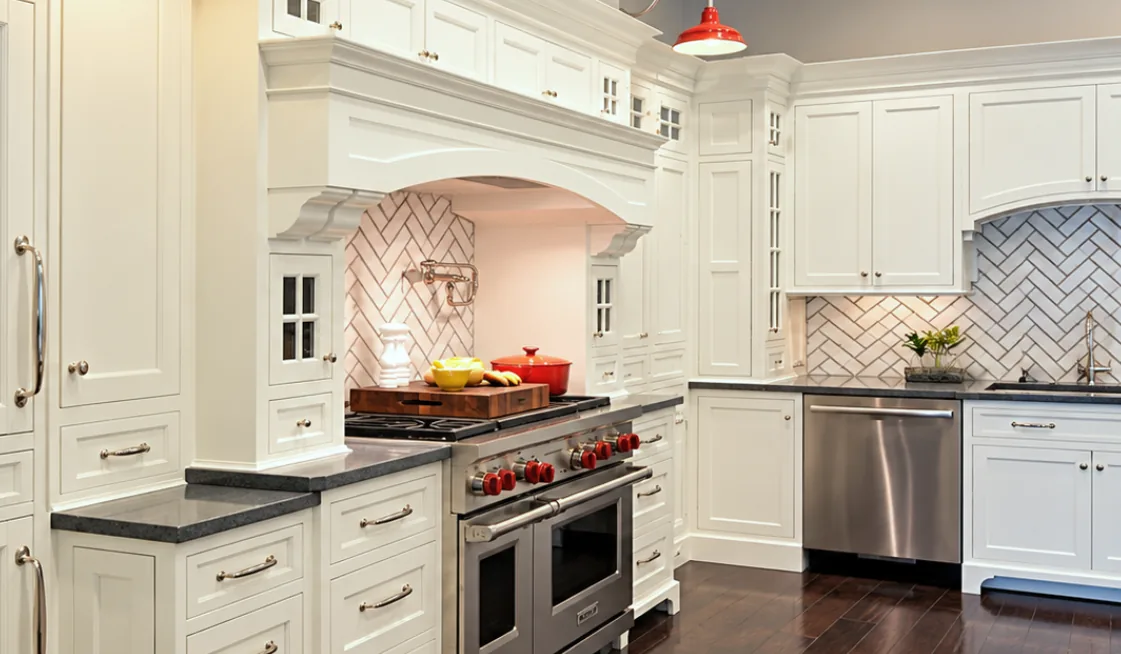
Pot fillers work best when they're thoughtfully planned early in the design process. Addressing placement, water supply, and daily use habits upfront prevents trouble later and ensures the fixture feels like a natural part of the kitchen.
Height, Reach, and Ergonomics
Mounting the pot filler at the right height is essential. The spout should be high enough to clear your tallest stockpot but low enough to maintain control and avoid splashing. Consider the height of everyone who regularly cooks in your house so the handle and spout remain comfortable and accessible for all.
The articulated arm should swing easily across multiple burners-covering both front and back positions-but fold flat against the wall when not in use. Dual-joint arms provide the best reach for wider ranges and allow the fixture to tuck away cleanly. Install pot fillers at a height suitable for your favorite cookware, and discuss it with your designer during planning.
A couple of placement examples that work well:
- The spout centered over the back burners with enough clearance to slide a tall pot underneath.
- The arm positioned so it doesn't interfere with the range hood or any decorative tile detail above.
Water Supply, Controls, and Daily Use
Pot fillers require dedicated plumbing routed directly through the wall behind the stove. During a renovation or new build, the cold water supply line is run behind the wall to the mounting location, with solid blocking installed between studs for secure support. Hiring a professional is recommended for pot filler installation to ensure everything connects and seals properly.
Most pot fillers have on-off handles at the fixture, and many designs include a dedicated shutoff valve for added peace of mind. This means you can close the water supply at the fixture when it's not in use, minimizing any worry about leaks over time.
Simple daily use habits to keep in mind:
- After filling a pot, fold the arm completely back against the wall so it doesn't obstruct your cooking or the range hood.
- Verify that handles are fully closed before you walk away from the stove.
- A pot filler does not provide drainage, so you'll still carry pots to the sink to drain water after cooking.
How Pot Fillers Complement a Luxury Kitchen Remodel
A pot filler is one of those details that ties together the broader vision of an elevated, European-inspired kitchen. When paired with custom cabinetry, high-end appliances, and carefully selected plumbing fixtures, it signals that every element of the cooking space has been considered-not just for looks, but for how the kitchen actually works.
Pairing with Custom Cabinetry and High-End Appliances
Above a professional-style range or rangetop, a pot filler becomes the centerpiece of a "chef's station" framed by tall cabinets, deep drawers, and a dramatic hood. Aligning the fixture centerline with the range and hood creates a sense of symmetry and purpose that reads as polished and intentional.
Coordinating finish choices across the pot filler, sink faucet, cabinet pulls, and decorative lighting creates a cohesive, curated look throughout the kitchen. Georgia homeowners might express this through a classic European-inspired approach with warm metals and natural materials, a modern minimal palette with clean lines and matte finishes, or a transitional style that blends both.
Enhancing Resale Appeal in Atlanta
Thoughtful, high-end kitchen details stand out to prospective buyers touring homes in the Atlanta market. A pot filler-especially one that is visually coordinated with the rest of the cooking zone-signals quality and attention to detail. It provides a professional look to kitchen designs that discerning buyers recognize and appreciate. Homes with pot fillers can sell for more, and because pot fillers are not standard in most kitchens, their presence enhances resale appeal.
Complementary upgrades that make the pot filler feel at home in a luxury kitchen:
- Custom cabinetry tailored to the cooking zone
- Statement range hoods and decorative lighting
- Premium ranges and professional-grade appliances
- Coordinated plumbing fixtures and hardware finishes
Decide Whether a Pot Filler Fits Your Kitchen
A pot filler can add convenience, flexibility, and a polished design element to a busy kitchen, especially for homeowners who frequently cook with large pots. Its value depends on layout, plumbing access, cooking habits, and budget. Considering these factors helps determine whether this fixture is a practical addition or simply an optional upgrade.
European Kitchen & BathWorks offers a kitchen faucet in Atlanta for homeowners, designers, builders, and remodelers seeking stylish, functional kitchen solutions. Our showroom also features custom cabinetry, premium hardware, designer lighting, TOTO toilets, and bath products for coordinated spaces. Contact us to compare faucet options and choose fixtures that support your kitchen design and daily routine.
Frequently Asked Questions
What is the difference between a pot filler and a regular kitchen faucet?
Your main kitchen faucet handles everyday tasks at the sink-washing dishes, rinsing food, and filling smaller vessels. A pot filler is a dedicated secondary faucet near the range, designed specifically to fill cookware with cold water on the cooking surface. It isn't meant for washing produce or dishes and doesn't have a drain beneath it.
Can I add a pot filler to an existing kitchen in Atlanta, or do I need a full remodel?
Adding a pot filler is easiest during a renovation or new build, when walls, plumbing, and the backsplash are already open. It may be possible to retrofit one into an existing kitchen, but the process requires running a dedicated water line through the wall behind the stove. We strongly recommend planning with a designer and hiring a licensed professional for installation.
Where is the best place to install a pot filler above my range?
The most common placement is above the back burners, at a height that comfortably clears your tallest pots. Typically, the fixture aligns with the visual center of the cooking area and coordinates with the range hood and backsplash. Discuss the exact location with your kitchen designer, who can factor in cabinetry dimensions, hood clearance, and how the pot filler arm will move.
What finish should I choose for my pot filler to match my Atlanta kitchen?
Coordinate the pot filler finish with your main faucet, cabinet hardware, and lighting for a cohesive look. Warm brass, brushed metals, and dark matte finishes each support different design styles-from classic European-inspired to modern minimal. Viewing samples in person at a showroom is the most helpful way to see how finishes interact with your cabinetry and stone selections.

Chris Brennan is the Owner and Founder of European Kitchen & BathWorks, a luxury kitchen and bath showroom serving the Atlanta area. Since founding the company in 2005, Chris has helped homeowners, architects, interior designers, builders, and remodelers select premium European and luxury kitchen, bath, lighting, and hardware products. With more than 20 years of industry experience, he shares practical insights on product selection, design trends, and creating functional, high-end living spaces through experience-based guidance.