
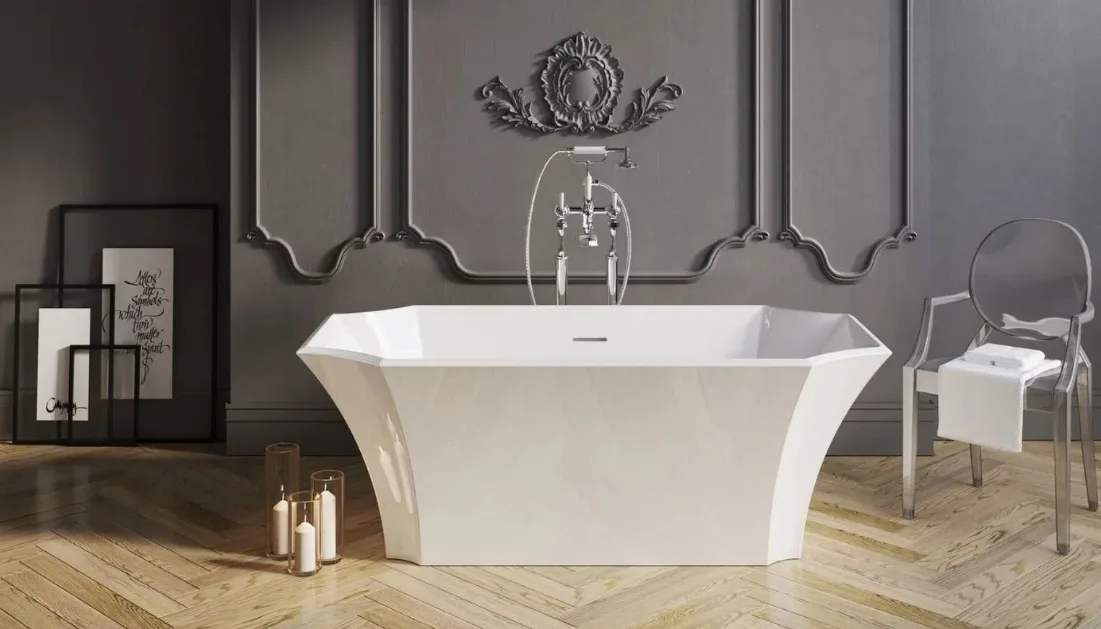
Questions to Ask Before Buying a Freestanding Soaking Tub
A freestanding soaking tub is one of the most visually commanding choices you can make in a bathroom renovation - and one of the most consequential. Asking the right questions before buying a freestanding soaking tub separates a dream installation from a costly headache. The tub you choose will shape your daily routine, influence your bathroom layout, and serve as a stunning focal point for years to come.
This blog walks you through the critical questions about bathroom space, style, freestanding tub material, plumbing, budget, and comfort. Whether you're a homeowner envisioning a spa retreat or a trade professional specifying fixtures for a client, these questions will help you make a confident, well-informed decision.
Key Takeaways
- Essential questions about bathroom space and freestanding tub sizes prevent costly installation problems and ensure visual harmony in the room.
- Material and style questions help balance aesthetics with daily functionality, heat retention, and maintenance demands.
- Plumbing and installation questions avoid expensive surprises during renovation, from drain location to floor support.
- Budget questions ensure comprehensive planning beyond just the tub purchase price - including accessories, labor, and structural work.
- Comfort and daily use questions guarantee long-term satisfaction with your soaking tub investment.
Essential Space and Size Questions to Ask First
Space planning questions matter more than any other category because every subsequent decision - material, style, plumbing - depends on the physical constraints of your bathroom. A freestanding bathtub occupies more visual and physical real estate than built-in tubs or standard alcove tubs, so getting the proportions right is non-negotiable.
Start by asking: What are my full bathroom dimensions, and how much floor space is genuinely available for the tub? Measure the room's length, width, and ceiling height. Take note of windows, vanities, and door swings that could limit placement. Consider whether the tub will be centered, angled, or positioned along a wall - each configuration affects how spacious or cramped the room feels.
Next, ask about access routes. Can the tub physically fit through your doorways, hallways, and stairwells? Measure all doorways and hallways for tub delivery access, including any tight turns. Heavy or oversized freestanding baths that won't fit through standard openings can require wall removal or crane delivery, driving costs up dramatically.
Finally, consider ceiling height and overall room scale. A tall, deep tub in a room with low ceilings can look disproportionate and make the space feel closed in. A bathroom designer can help you visualize how different freestanding tub sizes interact with your room's proportions.
Measuring Guidelines and Clearance Standards
Before ordering, ask these specific measurement questions:
What are the tub's exterior and interior dimensions?
Most freestanding tubs range from 55 to 72 inches in length, but exterior dimensions don't tell the full story. A tub's interior length should be at least 55 inches for comfort, and interior widths under 22 inches can feel cramped for adults. Always compare interior space to exterior footprint.
How much clearance do I need around the tub?
Freestanding tubs require at least 4-6 inches of clearance between the tub and any wall for easy cleaning and maintenance. On the entry side, plan for generous walking clearance so you have easy access for stepping in and out, as well as space for towel storage or a side table.
Will my delivery route accommodate the tub?
Compact tubs can be as small as 40 inches in length - ideal for tighter situations - but most freestanding tubs need substantial clearance through every doorway and corridor en route to the bathroom.
Thinking through these measurements early prevents the frustration of discovering your dream tub simply won't fit in your bathroom layout or through your front door.
Shape and style questions to ask
Do I want a single slipper, double slipper, double-ended, or Japanese soaking design?
Single slipper tubs feature one raised, gently sloped end that provides heightened back support, making them ideal for solo bathing. Double slipper designs raise both ends, creating a sculptural silhouette and allowing two people to sit face-to-face. Double-ended tubs offer a symmetrical shape that allows bathing from either side for flexibility. Japanese soaking tubs are deeper and more compact, allowing adults to submerge up to their shoulders. Clawfoot tubs with decorative feet or claw feet bring a classic, vintage character, while single-ended tubs offer a clean, modern look.
How does each shape affect my bathing style?
Different tub shapes can impact comfort and soaking posture. A single slipper provides better lumbar support; a double-ended design suits shared bathing; a deep tub with steep sides maximizes soaking depth in a smaller footprint.
Material questions to ask
What are the trade-offs of each freestanding tub material?
Acrylic tubs are lightweight and affordable, making them easy to install and available in a wide range of shapes. Cast iron tubs have excellent heat retention. Stone resin tubs retain heat well and resist scratches, with a luxurious matte or polished finish. Solid surface tubs offer similar premium aesthetics and durability. Copper tubs are naturally resistant to mold and bacteria, developing a unique patina over time. Stainless steel tubs require very little maintenance and resist corrosion.
What about finish durability?
Ask whether the finish is high gloss or matte, how it responds to your local water conditions, and whether it's prone to scratching, staining, or fading.
How well does the material retain heat?
If a long, relaxing soak is the goal, choose materials that retain heat effectively. Cast iron and stone resin are known for excellent heat retention.
For homeowners who want to compare finishes and sit in different shapes before committing, visiting a fully staged showroom is invaluable. You can experience how a tub rim feels under your arms, how a slope supports your back, and how materials look under real lighting.
Drain and overflow questions
Where is the drain location, and does it match the tub's configuration?
Confirm drain placement before selecting a freestanding tub. Most freestanding tubs have a center drain, but some place it at one end. The floor rough-in must align precisely with the manufacturer's specifications.
What type of drain assembly and overflow does the tub require?
Some models include integrated overflow; others use external configurations. Ask whether these components are included with the tub or purchased separately, and how they meet local plumbing codes.
Faucet and supply line questions
What faucet type works best with my tub and bathroom layout?
Choosing the right faucet type is important during the planning of a freestanding tub installation. Floor-mounted faucets are the most popular for freestanding soaking setups, but wall-mounted faucets and deck-mounted options are also available. A deck-mounted faucet requires pre-drilled holes in the tub rim, while floor-mounted fillers need supply lines routed through the bathroom floor. Consider whether you also want a handheld shower attachment for rinsing.
Are existing supply lines compatible, or do I need new rough-in work?
If you're replacing alcove tubs or standard tubs with a freestanding model, the existing wall-based supply connections likely won't be in the right position.
Structural and floor support questions
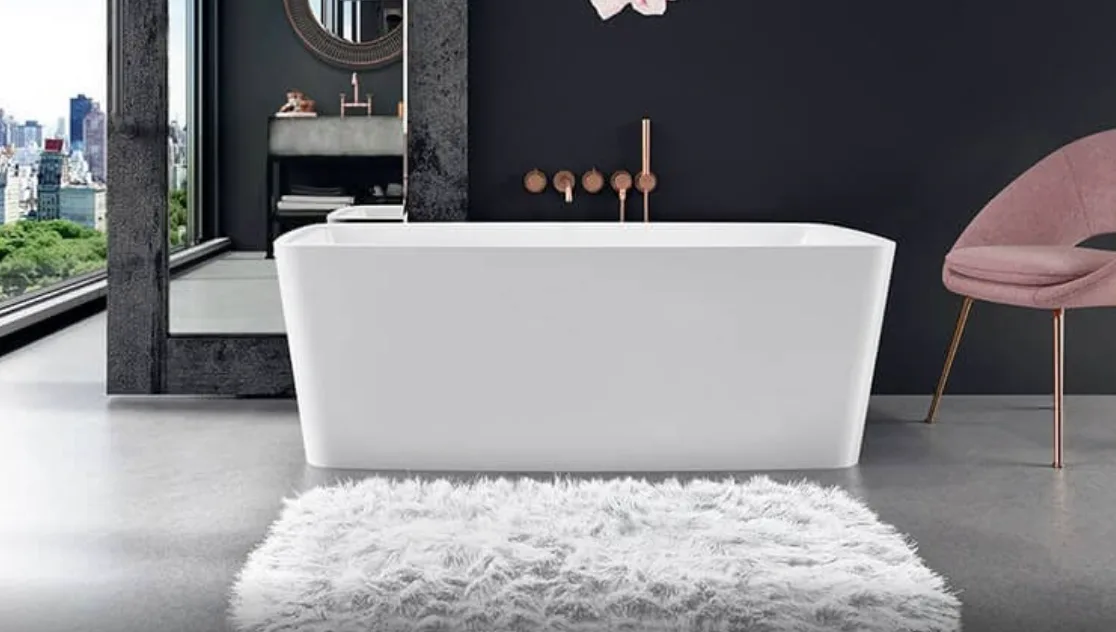
Can my bathroom floor handle the weight?
A filled freestanding tub can be extremely heavy. Water weighs a significant amount per gallon, and when you add the weight of the tub itself - cast iron tubs weigh substantially more empty than acrylic - plus the bather, the total load is considerable. A thorough inspection of the floor's structural support is necessary before installing a heavy tub.
Do I need professional installation?
With heavy tubs, premium finishes, and complex plumbing layout considerations, professional installation is almost always the right call. A licensed plumber ensures code compliance, proper waterproofing, and access to plumbing connections for future maintenance.
Budget and Investment Planning Questions
The purchase price of a freestanding tub is only part of the investment. Asking comprehensive budget questions prevents sticker shock and ensures you plan for every expense.
What does the complete installation cost, beyond the tub?
Factor in plumbing modifications, drain assembly, faucet hardware, floor reinforcement if needed, waterproofing, and any tile surround or flooring changes around the tub's footprint.
How much do accessories add?
Floor-mounted faucets, matching drain covers, overflow hardware, and optional features like a handheld shower are often sold separately and can represent a meaningful portion of the total budget. Browse curated high-end plumbing fixtures to understand the range of options and price points.
What about delivery and handling?
Large, heavy freestanding baths may require special delivery logistics - especially if the bathroom is on a second floor or access routes involve tight turns.
What warranty coverage comes with the tub?
Ask what the warranty covers: structural integrity, finish, enamel cracking, color fading. Understand what conditions might void the warranty - certain cleaning products, water chemistry issues, or improper installation.
Thinking through these questions before you order prevents the common mistake of underestimating total project cost and timeline.
Comfort and Daily Use Questions
A freestanding soaking tub can look magnificent and still disappoint if it doesn't feel right every time you use it. Comfort and daily use questions arguably matter more than any other category for long-term satisfaction. Thoughtful details such as comfortable fixtures, calming finishes, and well-planned features can also help create a modern spa inspired bathroom experience.
Soaking depth and interior space
- Freestanding tubs typically have a soaking depth that allows for a comfortable soak, but the range varies significantly by style. Japanese soaking tubs prioritize depth, allowing full shoulder immersion in a compact footprint. Standard freestanding models tend to have a more moderate soaking depth. Ask: How deep is the water at the overflow? Will it cover my shoulders in a seated position?
- Interior length and interior width directly affect whether you feel cradled or cramped. Freestanding soaking tubs often hold a substantial volume of water, so confirm the capacity matches your expectations and your water heater's output.
Ergonomics and back support
- A gently sloped back provides better lumbar support for bathers and encourages a natural reclining posture. Single slipper tubs are specifically designed for this. Test the recline angle, head and neck support, and tub rim width (which doubles as an armrest) in person.
- If two people will use the tub simultaneously, double slipper designs or double-ended tubs offer the most flexibility.
Cleaning and maintenance
- Regular maintenance may require specific cleaning products to avoid damaging the tub's surface. Ask what cleaners are safe and which to avoid. Stone resin and solid surface tubs are often repairable if scratched; cast iron enamel chips can be harder to fix.
- Non-porous surfaces resist staining and allow for easy cleaning, which matters more with frequent use.
Lifestyle fit
- How often will you use the tub? Is this a primary bathroom or a guest suite? Frequency of use influences how much you should invest in durability and heat retention.
- Do you want features like chromotherapy lighting or air jets for a spa-inspired bathroom experience?
- Are there mobility considerations? Stepping over a tall tub rim can be challenging for some users. Ask about anti-slip surfaces, grab bar compatibility, and entry height.
Spending time in a showroom - sitting in tubs, testing positions, comparing the feel of different materials - is the single best way to ensure daily satisfaction with your choice.
Create a Soaking Tub Experience You’ll Love
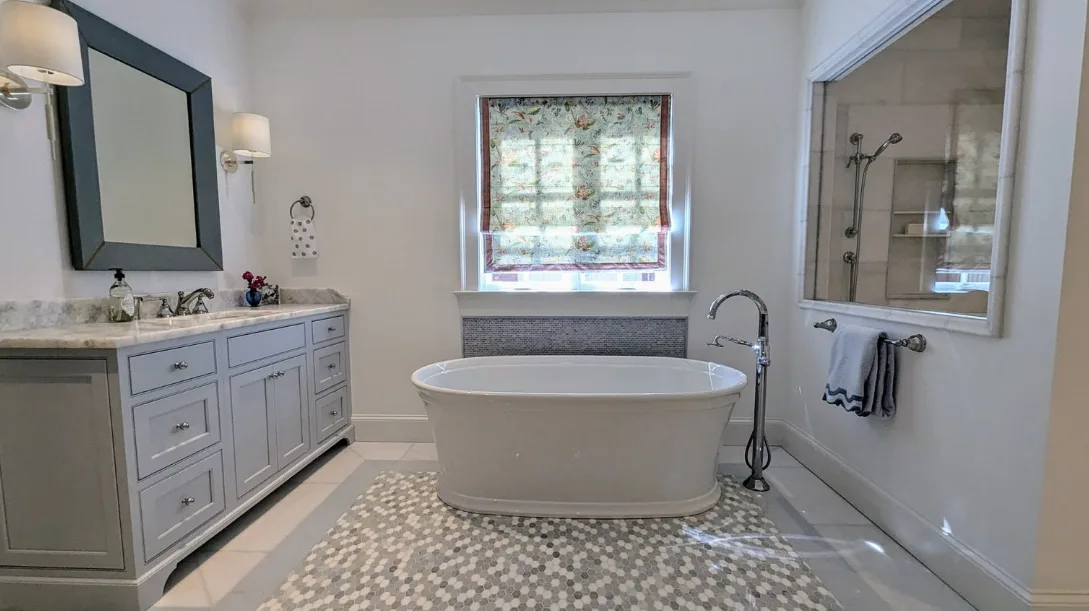
A freestanding soaking tub can become the centerpiece of a relaxing bathroom, but choosing the right one requires careful consideration. Think about available space, tub dimensions, material, comfort, plumbing requirements, and maintenance before deciding. Asking the right questions ensures your tub complements your bathroom while providing lasting comfort and functionality.
European Kitchen & BathWorks can help you explore a freestanding soaking tub in Atlanta that suits your bathroom's design, layout, and preferences. Our offerings include cabinetry, hardware, lighting, and TOTO toilets, making it easier to coordinate your selections. Visit us to explore our bathroom options and take the next step toward creating your ideal relaxing retreat.
Frequently Asked Questions
What is the most important question to ask about bathroom space before choosing a freestanding soaking tub?
The most critical question is whether your bathroom has sufficient space - not just for the tub's footprint, but for proper clearance on all sides, comfortable entry and exit, and a delivery path that can accommodate the tub's dimensions. Without confirming these spatial requirements first, even the most beautiful tub can become an installation nightmare.
Which material questions should I prioritize if I want low maintenance and durability?
Ask about surface porosity, resistance to scratching and staining, and what cleaning products are safe for the finish. Stone resin tubs and solid surface tubs tend to score well on durability and easy cleaning. Also ask how the material handles your local water chemistry - hard water can affect certain finishes over time.
What plumbing questions should I ask my contractor before ordering a freestanding tub?
Confirm the drain location and rough-in distance, determine whether your existing supply lines can reach the planned faucet position (floor-mounted, wall-mounted, or deck-mounted), and ask whether any supply rerouting or drain relocation is needed. Also verify that your plumbing meets local codes for overflow and shutoff access.
How much should I budget beyond the tub price for a complete installation?
Plan for the faucet and hardware (often sold separately), drain assembly, delivery and handling fees, plumbing modifications, potential floor reinforcement, waterproofing, and any tile or flooring adjustments around the tub. These supporting costs can represent a substantial portion of the total project investment.
When should I visit a showroom versus shopping online for my freestanding soaking tub?
Visit a showroom early in the process. Online research is useful for comparing specifications, browsing styles, and reading warranty details, but nothing replaces the experience of sitting in a tub, feeling the material, testing the recline angle, and seeing finishes under real lighting.

Chris Brennan is the Owner and Founder of European Kitchen & BathWorks, a luxury kitchen and bath showroom serving the Atlanta area. Since founding the company in 2005, Chris has helped homeowners, architects, interior designers, builders, and remodelers select premium European and luxury kitchen, bath, lighting, and hardware products. With more than 20 years of industry experience, he shares practical insights on product selection, design trends, and creating functional, high-end living spaces through experience-based guidance.