
How to Choose the Right Freestanding Soaking Tub for Your Atlanta Bathroom
Selecting a freestanding soaking tub is one of the most impactful decisions you'll make during a bathroom renovation. It's the visual centerpiece, the daily comfort fixture, and often the single largest investment in the room. Knowing how to choose the right freestanding soaking tub means weighing space constraints, material properties, water capacity, structural requirements, and aesthetic harmony-all before a single pipe is fitted. This blog walks through every factor that matters, from measuring your bathroom layout to coordinating with design professionals, so you can invest with confidence and enjoy a luxurious soak for decades.
Key Takeaways
- Measure your bathroom space, doorways, and hallways before selecting any tub model-delivery access is just as critical as the room itself.
- Choose materials based on heat retention, durability, weight, and maintenance preferences rather than appearance alone.
- Verify that your home's hot water heater capacity matches the tub's fill volume to avoid lukewarm disappointments.
- Plan for proper floor support, plumbing rough-in, and drain placement during the earliest stages of installation.
- Match tub style and finish to your overall bathroom design aesthetic for a cohesive, intentional result.
Understanding Your Bathroom Space and Requirements
Before you fall in love with a particular freestanding bathtub in a showroom, start with your room's reality. Accurate measurements of the bathroom floor area, ceiling height, and every wall determine which freestanding tub sizes are even viable. A tub that looks proportional in a large display space can overwhelm a compact bathroom or leave an awkwardly narrow gap around the tub that makes cleaning difficult.
Freestanding tubs require a minimum clearance of 6 inches around them to facilitate cleaning access and maintenance. In most bathrooms, this means the tub should not be pushed flush against a wall or wedged into a corner without careful planning. Instead, allow enough space on all sides so you can reach the floor and wipe down the exterior surface without contorting yourself. Wall space around a freestanding tub also matters for visual breathing room-a tub centered in open space reads as sculptural, while one crammed beside fixtures feels like an afterthought.
Bathroom layout considerations go beyond floor dimensions. Think about sight lines from the door, proximity to showers, and how the tub relates to vanities and windows. Placement near a window can enhance the soaking experience with natural light, while positioning near plumbing stacks simplifies drain and supply connections.
Delivery pathway planning is often overlooked until it becomes a crisis. Measure doorways to confirm the tub can be delivered easily-front entry, hallways, stairwells, and the bathroom door itself. A large stone resin or cast iron tub may not navigate tight corners. Freestanding tubs can weigh between 500 to over 1,000 pounds when filled, and even the empty weight of premium materials can exceed 300–500 lbs, making it essential to map the route before ordering.
Weight distribution and structural support deserve serious attention. Freestanding tubs require floor support to handle their weight when filled. Water weighs approximately 8.34 lbs per gallon, so a 70-gallon tub adds roughly 580 lbs of water alone. Combine that with a stone resin body (150–300 lbs) or cast iron shell (350–500 lbs) plus the occupant, and total loads easily exceed 900 lbs. For upper-floor bathrooms, ensure your floor can support the tub's weight when filled-a structural engineer's review is warranted, especially in older Atlanta homes where joist spacing and capacity may not meet modern demands. Under Atlanta's construction codes, residential floors must support required live and dead loads, and bathroom tile installations may demand even stiffer subfloor structure.
Planning for Installation Access
Plumbing requirements shape your tub selection more than most buyers realize. Drain location-center, end, or offset-must align with your waste line position, or you'll face costly re-routing. Center drains are common in double-ended tubs and double slipper designs, while end drains suit single-ended models where you sit at one end, and the faucet sits at the other. Standard drain size runs 1.5–2 inches per local plumbing code, and proper slope and venting must be verified before the bathroom floor is finished.
Faucet placement can be floor-mounted, wall-mounted, or deck-mounted, and each requires a different plumbing rough-in. A floor-mounted tub filler creates a dramatic focal point-especially in finishes like matte black or brushed brass-but demands piping routed through the floor structure with a concealed riser. A floor mounted faucet on a wall-mounted configuration requires reinforced studs and early coordination during framing. The key is deciding filler type before walls and floors close up, so supply lines land precisely where needed.
Electrical requirements apply when you install features like a jetted tub with built-in jets, inline heaters, or chromotherapy lighting. GFCI protection is mandatory for any electrical device near water under NEC standards. If your soaking tub includes air jets or water jets, plan for a dedicated circuit and accessible service panel during the rough-in phase.
Level the tub during installation to prevent water tilting, and seal around the tub's base with waterproof caulking if needed to protect the subfloor from incidental splashes.
Exploring Freestanding Tub Materials and Styles
The material of a tub affects its weight, durability, and price-and perhaps most importantly for daily use, how long your bath stays warm. Freestanding tubs can be made from acrylic, cast iron, or stone resin, along with more specialized options like natural stone, copper, and fiberglass.
Acrylic is the most accessible option. Acrylic tubs are lighter and easier to install than cast iron, typically weighing around 100–150 lbs empty. Entry-level acrylic and fiberglass models range from roughly $500–$2,500. They're molded into so many styles and shapes-oval, rectangular, slipper-but they lose water temperature noticeably within 10–15 minutes in a typical room. Transparent acrylic tubs require regular maintenance to avoid water spots, and the surface is more susceptible to scratching from abrasive cleaners over time.
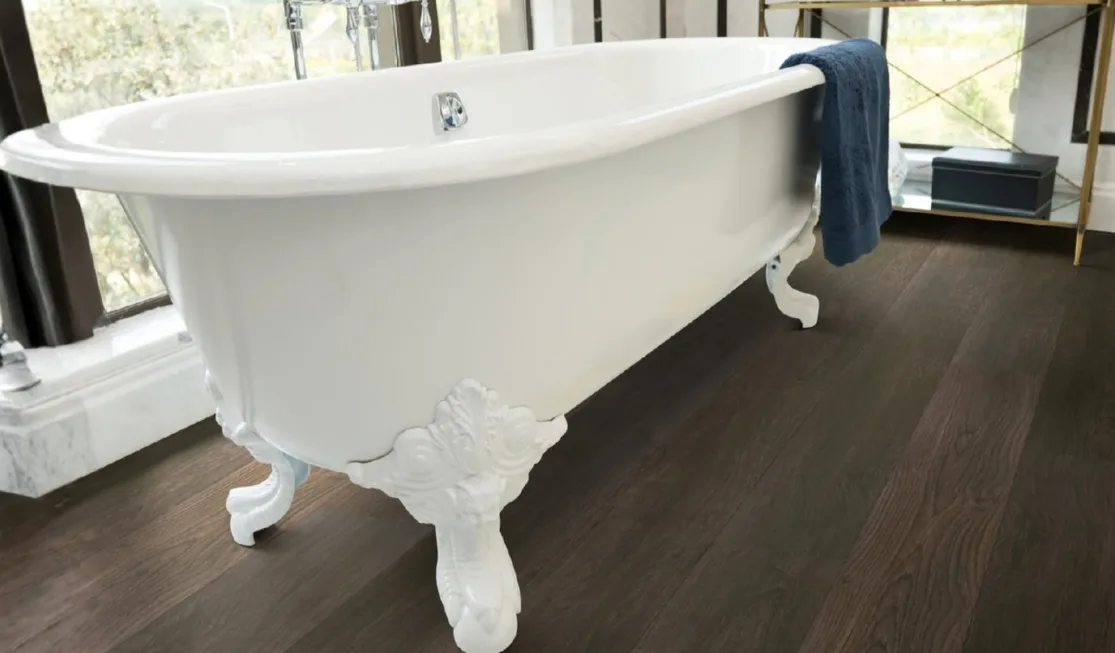
Cast iron tubs retain heat well due to their thermal mass. The dense iron body absorbs warmth initially (requiring more hot water to heat the tub itself) but then radiates it back steadily, extending your soak. Cast iron offers excellent heat retention and a lifespan often exceeding 50 years. The enamel coating resists scratches and fading but can chip; exposed iron risks rust and may require re-glazing. Weight is the major consideration: 350–500+ lbs empty.
Stone resin composites have become the material of choice in luxury renovations. Solid-surface stone resin tubs feel warmer than acrylic, with dense thermal mass that holds water temperature far longer. They offer non-porous surfaces resistant to staining and scratching, and matte finishes hide water spots elegantly. Stone resin tubs provide a premium look and feel, with sculptural possibilities that go well beyond standard white-textured exteriors, organic curves, and clean lines that suit contemporary spa-inspired bathrooms. Mid-to-high-end stone resin models typically range from $2,500–$8,000 before installation.
Natural stone (marble, soapstone) and cultured marble sit at the top of the luxury spectrum-$5,000–$ 15,000+, requiring sealing, careful handling, and extended lead times. They're bespoke by nature and stunning in the right space.
With so many styles available, your tub's silhouette should reinforce your bathroom style rather than compete with it. Freestanding tubs offer aesthetic versatility from classic to modern designs:
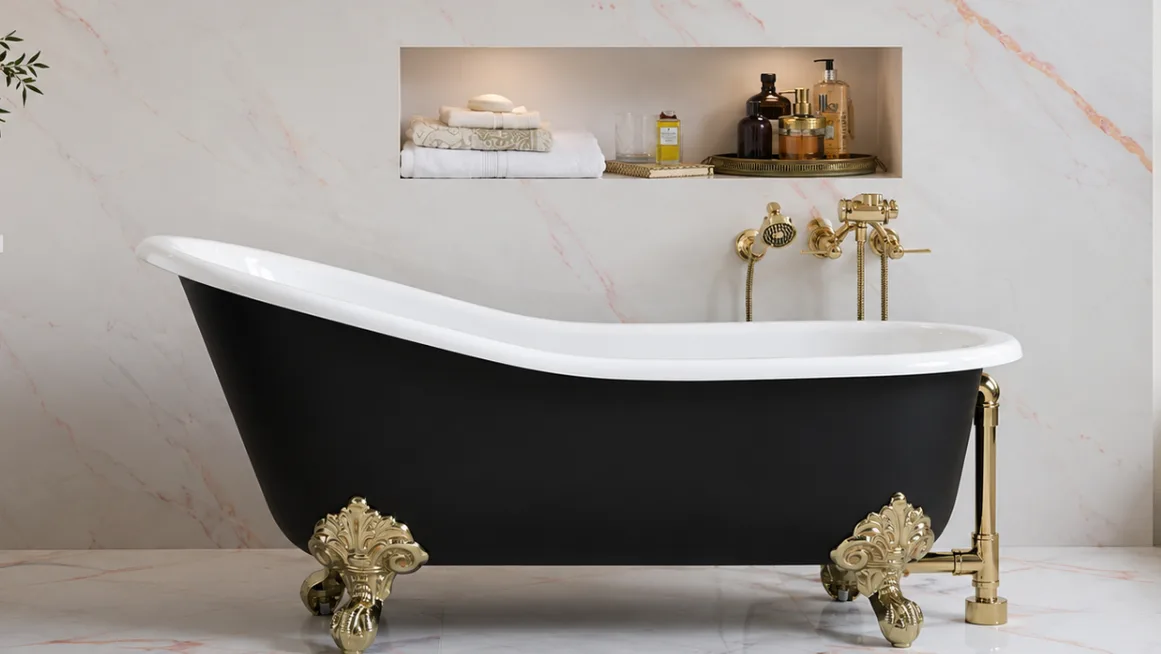
- Clawfoot tubs have decorative feet for a classic look-ideal in traditional or transitional bathrooms. Foot finishes in antique brass, polished nickel, or matte black should coordinate with your plumbing fixtures.
- Double-ended tubs allow reclining from either side, with center drains that make them perfect for shared bathing.
- Single slipper and double slipper designs feature elevated rims for lounging-comfortable shape options for those who prefer to relax with back support.
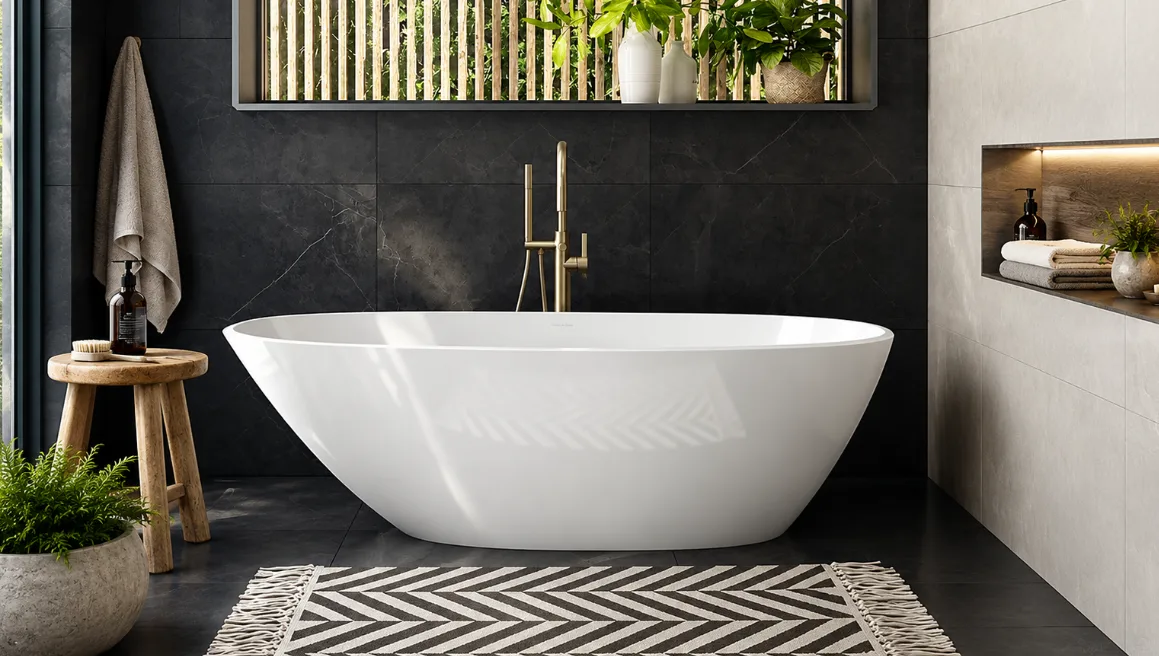
- Oval freestanding tubs with rounded edges offer a softer, organic silhouette suited to spa aesthetics.
- Rectangular models maximize interior length for taller bathers and align well with linear, modern bathrooms.
- Japanese-style tubs are shorter and deeper for immersion-sometimes 24–30 inches deep-designed for upright soaking rather than reclining, ideal when you want a deep tub but have a smaller floor plan.
- Pedestal styles rest on a continuous base rather than separate feet, lending a contemporary or art-deco presence.
Size, Capacity, and Comfort Considerations
Getting the right tub means matching dimensions to both your room and your body. Freestanding tubs typically range from 55 to 72 inches in length:
- Small freestanding tubs measure 48 to 60 inches long-suited for compact bathrooms or guest baths.
- Standard freestanding tubs range from 60 to 70 inches long-the sweet spot for most bathrooms.
- Large freestanding tubs are 70 inches or longer in length-luxury models for spacious primary suites.
A width of 32 inches is usually good for freestanding tubs, though wider models (up to 40 inches) accommodate double-person or Japanese soaking designs. Always compare the interior "bathing well" dimensions, not just exterior measurements-marketing specs often give overall length, but interior usable basin length may be several inches less due to sloped walls and thick rims.
Freestanding tubs typically hold 40 to 90 gallons of water, with oversized models exceeding 100 gallons. A soaking tub should have a depth of at least 14 to 20 inches to qualify as a true deep tub-entry-level soakers sit around 16–18 inches, while deep soak models reach 19–23 inches. The deeper the immersion, the more enveloping the soaking experience.
Water capacity directly impacts your utility costs and heater requirements. Hot water capacity of a heater should be verified for large tubs-a standard 40-gallon tank water heater cannot fill a 70-gallon soaker in one cycle. You'll need either a larger tank, a high-recovery unit, or a tankless system with sufficient BTU output. Without this planning, you'll end up with a lukewarm bath or long waits between fills.
Ergonomic comfort goes beyond raw dimensions. The slope of the backrest, interior width at shoulder height, and headrest angle determine whether you can truly relax or find yourself cramped. Taller users should prioritize interior length for leg stretch, while those who prefer to sit upright may find Japanese-style soaking tubs more comfortable despite their shorter length. This is where personal preference plays a decisive role-and why physically sitting in a tub at a showroom matters far more than studying spec sheets online.
Create a Relaxing Bathroom Retreat
Choosing the right freestanding soaking tub comes down to balancing comfort, size, material, and design with your available space and lifestyle. A carefully selected tub enhances relaxation while elevating the overall look of your bathroom. Thoughtful planning ensures lasting beauty, functionality, and an enjoyable bathing experience for years to come.
European Kitchen & BathWorks offers premium freestanding soaking tub in Atlanta solutions to help homeowners create elegant and luxurious bathroom spaces. We also provide exceptional cabinetry, hardware, lighting, and TOTO products to complete a beautifully coordinated interior. Let us help you select the perfect soaking tub and premium finishes to bring your dream bathroom to life with expert guidance and quality craftsmanship.
Frequently Asked Questions
What size freestanding tub works best in an 8x10 foot bathroom?
In an 8×10 bathroom, a tub between 55 and 60 inches in length typically provides the best fit, leaving adequate clearance for cleaning access, door swing, and visual breathing room. Measure carefully for at least 6 inches of clearance around the tub on all accessible sides, and account for any vanity, toilet, or shower enclosure sharing the space.
Do I need to reinforce my floor for a cast iron soaking tub?
In many cases, yes-especially for upper-floor bathrooms. A cast iron freestanding tub can weigh 350–500 lbs empty, and when filled with 60–80 gallons of water plus an occupant, total loads often exceed 900–1,000 lbs concentrated in a small area. A structural engineer should assess joist capacity and deflection limits; sistering joists or reinforcing subfloor may be required under Atlanta's adopted building codes.
How much hot water capacity do I need for a 70-gallon soaking tub?
A standard 40-gallon tank heater cannot fill a 70-gallon soaker with consistently warm water in a single cycle. You'll need either a 75-gallon or larger tank, a high-recovery gas unit, or a tankless water heater with sufficient BTU output and flow rate. Factor in the recovery rate-how quickly the heater replenishes hot water-to avoid tepid results.
Can I install a freestanding tub in my existing bathroom layout?
Usually, yes-but careful planning is essential. Confirm that doorways and hallways can accommodate delivery of the tub, that existing plumbing can be adapted for the drain and supply locations your chosen model requires, and that the floor structure supports the filled weight. Retrofitting plumbing for a floor mounted faucet or relocating a drain after finishes are in place is significantly more expensive than planning ahead.
What's the difference between air jets and water jets in soaking tubs?
Water jets push pressurized streams of water for a deep-tissue, high-pressure massaging experience-ideal for targeted muscle relief. Air jets inject air into the water to create a gentler, bubbly soaking experience that feels more like effervescence across the entire body. Air jet systems are generally simpler to maintain, while water jet systems require periodic flushing to prevent buildup inside the lines.
How far should a freestanding tub be placed from the wall?
A minimum of 6 inches is recommended on all accessible sides to allow cleaning around the tub and prevent moisture from becoming trapped against wall surfaces. In larger bathrooms, 12–18 inches or more creates a more dramatic presentation and simplifies maintenance. If your tub backs against a wall for a wall-mounted filler, maintain clearance on the remaining sides.

Chris Brennan is the Owner and Founder of European Kitchen & BathWorks, a luxury kitchen and bath showroom serving the Atlanta area. Since founding the company in 2005, Chris has helped homeowners, architects, interior designers, builders, and remodelers select premium European and luxury kitchen, bath, lighting, and hardware products. With more than 20 years of industry experience, he shares practical insights on product selection, design trends, and creating functional, high-end living spaces through experience-based guidance.